


Pakistan to roll out first Panda bond in coming weeks, says Aurangzeb
- Finance Minister acknowledged that some firms have exited Pakistan

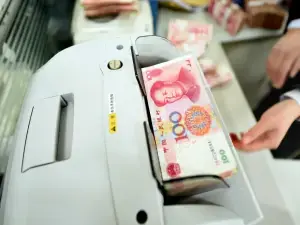
Pakistan plans to issue its first-ever Panda bond in the coming weeks, Finance Minister Muhammad Aurangzeb said on Wednesday.
Addressing a seminar organised by Nutshell Group, titled Resetting Pakistan’s Economic Direction, the minister said Pakistan’s previous international issuances were in US dollars, euros, or Islamic sukuk.
“Issuing in RMB, which is the world’s second-largest and second-deepest capital market, and swapping it into dollars yields a 2.5% differential.”
“Every single bit counts,” he said.
The minister noted that the country’s debt-to-GDP ratio has reduced to 70% from 75%, and average maturity has been extended to over four years, reducing refinancing cost and urgency.
“Last year, we saved around Rs850 billion in terms of debt servicing. If all goes well, this year we expect to remain below our budget, almost by a similar amount. This is not only because the policy rate has come down,” he said.
Pakistan targets $250 million for inaugural Panda bond, launch expected in January
Aurangzeb said that the government has handed over 24 state-owned enterprises (SOEs) to the Privatisation Commission. Citing a recent report, Aurangzeb shared that the government was losing nearly Rs1 trillion annually.
“That is a huge drain, and these resources can be put to far better use.”
He said that the decision to shut down entities such as PWD, Utility Stores Corporation, and PASSCO was taken because of heavy subsidies and corruption embedded within those subsidies. “This was the real cost to the exchequer, which is why these reforms are moving forward,” he said.
On structural reforms, Aurangzeb termed tariff reforms a major step, including reductions in regulatory duties, customs duties and additional customs duties, aimed at lowering the cost of intermediate and raw materials.
“This is the first time in 78 years that such reforms have been undertaken. From our perspective, this can be Pakistan’s East Asia moment,” he said.
He added that Pakistani industries have long enjoyed protection and, as a result, lacked competitiveness and export orientation.
Acknowledges firms’ exit
The finance minister said 20 new foreign investors have entered Pakistan over the past 18 months, including Google, Aramco, Gunvor, Turkish Petroleum, BYD, Chery Auto, Abu Dhabi Ports, Nova Mineral, Mashreq Digital and Samsung.
Govt’s economic team highlights reform progress as Pakistan enters stabilisation phase
“Yes, some firms have also exited,” he acknowledged, citing high taxation, energy and financing costs. “But firms such as Nestlé and Unilever, which adapted through local sourcing, are now enjoying strong margins and exporting. Others need to rethink their models.”
On capital markets, Aurangzeb said the Pakistan Stock Exchange has expanded, with 135,000 new investors added in 18 months.
“Some 280 new companies have been registered, nine IPOs took place last fiscal year, and 16 IPOs are in the pipeline,” he said.
Turning to the new economy, Aurangzeb said Pakistan has around 40 million crypto users, with trading volumes worth billions of dollars. “This activity must be brought into a regulated environment,” he said.
He added that Pakistan has the third-largest freelancer population globally, noting that with upskilling in blockchain technologies, freelancers earning $12–14 per hour could earn $50 to $250 per hour.
On governance and inclusion, the minister said that by June this year, all government payments will be routed through digital channels.
He concluded by warning that if Pakistan aims to become a $3 trillion economy by 2047, its population growth rate of 2.55% must be reduced. “Otherwise, growth alone will not get us there,” he said.


























Comments
Comments are closed for this article.