


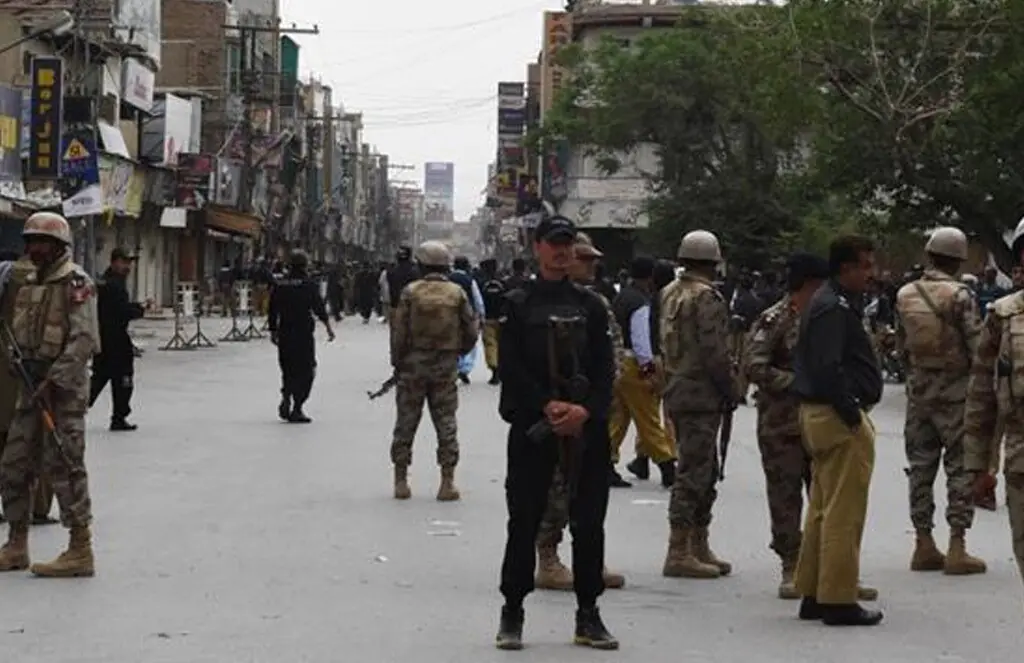
EDITORIAL: The abolition of the long-standing A and B area divide in Balochistan and the merger of the Levies Force into the provincial police mark a significant, if belated, step towards administrative rationality and institutional coherence. For over a century, the province struggled under a peculiar dual system of law and order that had little justification in a modern state.
What may once have suited the convenience of colonial administrators—keen on indirect control through tribal intermediaries—became, after independence, an anachronism that successive governments chose to preserve rather than reform. Under this parallel arrangement, nearly 90 percent of Balochistan’s vast territory was policed by the Levies, while urban centres fell under the jurisdiction of the regular police. The result was not merely administrative duplication but also uneven standards of policing, training, and accountability.
In this context, the decision to establish a uniform policing structure across the province addresses a fundamental structural weakness that had long undermined effective governance.
The merger promises several tangible benefits. A single command structure under the Balochistan Police should improve coordination, intelligence sharing and operational efficiency—critical needs in a province that faces complex security challenges, including insurgency and foreign-backed terrorism.
The extension of the Balochistan Police Act to the former B areas also means a clearer legal framework governing recruitment, promotions, discipline and public accountability, replacing the informal and often opaque systems that previously prevailed. Equally important is the emphasis on training.
The three-month programme designed for former Levies personnel—covering physical conditioning, modern weapon handling, marksmanship and counterterrorism—signifies recognition that contemporary policing demands professional skills beyond traditional watch-and-ward duties. If implemented sincerely and supplemented by continuous capacity-building, this training can help bridge the qualitative gap that critics have long pointed out between the Levies and the police.
One of the strongest arguments in favour of the merger is the local composition of the Levies Force.
Personnel drawn from their own communities possess intimate knowledge of local geography, tribal structures and social dynamics—an invaluable asset in a province where trust between the state and citizens is rather fragile. Integrating this local familiarity with the institutional discipline and resources of the police could produce a more responsive and effective law enforcement body.
Optimism must be tempered with caution, however. Structural mergers do not automatically translate into improved performance. Issues such as pay disparities, career progression, seniority and organisational culture can generate resentment if not handled considerately. There is also the risk that without adequate resources and political backing, the merged force may simply inherit the weaknesses of both systems rather than transcend them. The reform is promising, but its success will be measured by security delivered and trust restored.
Copyright Business Recorder, 2026




















Comments
Comments are closed for this article.