


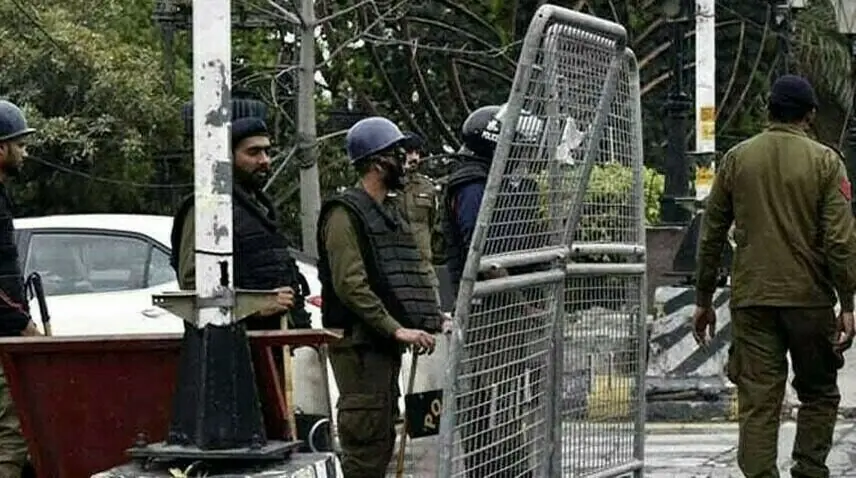
EDITORIAL: The latest figures released by the Islamabad-based Pakistan Institute for Conflict and Security Studies (PICSS) offer a sobering snapshot of the country’s security environment in 2025. The data indicate a year of intensified engagement between militant groups and the state, reflected in higher operational activity and casualties across multiple categories. These trends merit careful attention — not to fuel alarm, but to inform policy choices and public debate on how best to manage the evolving security challenges.
The rise in combat-related deaths to 3,387 — a 73 percent increase from the previous year — points to an expanded operational tempo on both sides. The killing of 2,115 militants, the highest figure since 2015, suggests sustained counterterrorism pressure and continued efforts by the security forces to disrupt militant networks. At the same time, the loss of 664 security personnel, the highest annual toll since 2011, is a stark reminder of the sacrifices made by those tasked with maintaining internal security and of the increasingly demanding environment in which they operate. Civilian casualties, numbering 580, also remain a serious cause for concern. While civilians were not the primary targets in most incidents, their continued exposure to violence underscores the importance of minimising collateral harm and strengthening protective measures in affected areas, particularly the tribal districts of Khyber Pakhtunkhwa (KP). The report notes that most violence remained concentrated in KP and Balochistan. This is consistent with established patterns, reinforcing the need for region-specific strategies that are sensitive to local dynamics and realities.
While kinetic operations remain a necessary component of the state’s response, they are most effective when complemented by strong intelligence coordination, improved policing, and sustained governance and development efforts in the vulnerable regions. Addressing local grievances, enhancing service delivery, and building trust between communities and the state can help reduce the space in which militant groups operate.
For policymakers, the lesson from 2025 is clear: security gains are most durable when consolidated through a comprehensive and systemic approach. The challenge lies not only in responding to immediate threats but also in shaping conditions that prevent their recurrence. In this sense, the PICSS report should serve as a basis for reflection and course correction.
Copyright Business Recorder, 2026
























Comments
Comments are closed for this article.