


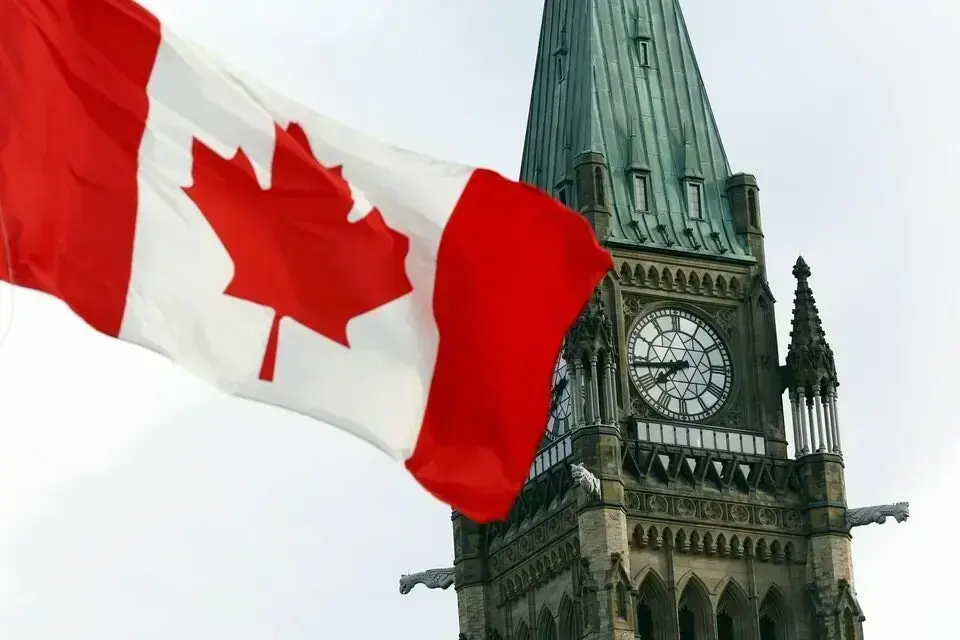

This is apropos two back-to-back letters to the Editor titled ‘Can eastern and western Canada ever bridge the divide?’ from this writer carried by the newspaper on Tuesday and yesterday. Culturally, Eastern and Western Canada have grown in different directions as well.
The East has experienced waves of immigration since the 1960s, reshaping Toronto, Montreal, and Ottawa into diverse global cities. Western cities like Calgary and Vancouver are also highly multicultural but maintain a stronger frontier-style identity—independent, pragmatic, entrepreneurial, and often skeptical of federal narratives. French-English linguistic duality heavily influences Eastern political attitudes, while Western provinces tend to view national identity through an economic and practical lens rather than a historical or linguistic one.
Attempts by federal leadership to bridge the divide have been well-intentioned but largely unsuccessful. Ottawa has tried to modify equalization formulae, negotiate pipeline deals, expand interprovincial trade, or offer climate subsidies to resource provinces. But each attempt has run into structural limitations. When the federal government approves pipelines, environmental groups and Eastern provinces challenge them in courts. When Ottawa imposes carbon taxes, Western provinces challenge the federal government. When the East demands quicker climate action, the West accuses Ottawa of destroying the resource economy. The federal government sits between two visions of the country — one built on global environmental commitments and another built on natural resource prosperity — and any attempt to satisfy one fuels resentment from the other.
Copyright Business Recorder, 2025
The writer is a former Press Secretary to the President, An ex-Press Minister at Embassy of Pakistan to France, a former MD, SRBC Macomb, Detroit, Michigan

























Comments
Comments are closed for this article.