


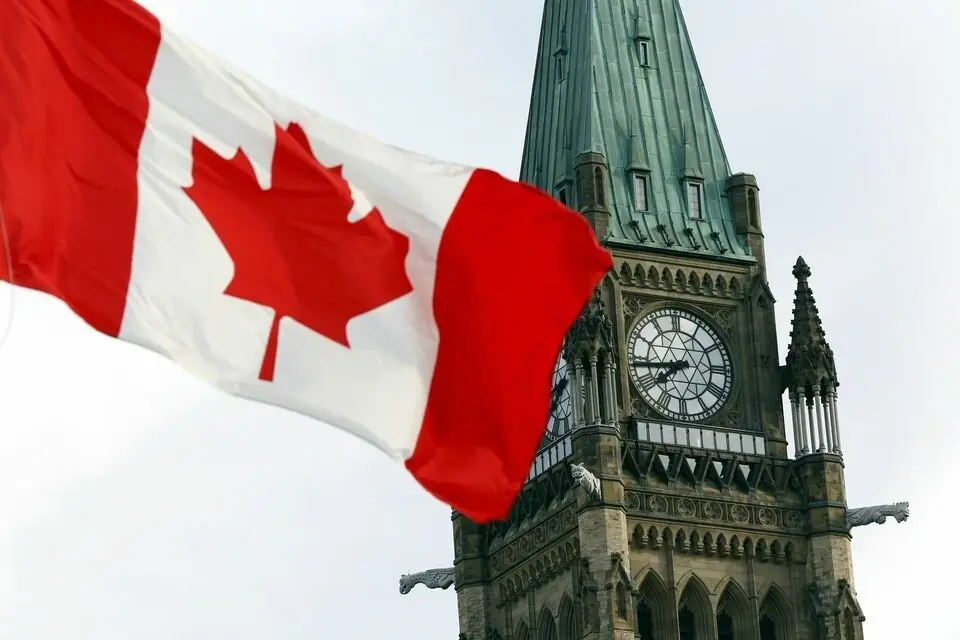

Canada is often celebrated as one of the most diverse, modern, and tolerant nations in the world, a country that welcomes millions of immigrants from South Asia, China, Korea, Vietnam, the Middle East, and Africa.
These communities have enriched Canada’s social fabric, strengthened its workforce, and reshaped its major cities into multicultural hubs that symbolize coexistence and opportunity. Yet beneath this impressive surface lies a deep structural tension that has existed for decades but rarely receives global attention: the simmering animosity between Eastern and Western Canada.
This divide is not merely a matter of geography. It touches politics, economics, identity, federal power, culture, and the question of who controls the future of the Canadian federation.
The tension often surprises new immigrants who see Canada as unified, peaceful, and predictable. But historically, the East–West divide has been one of the most persistent challenges to national cohesion. Eastern Canada—primarily Ontario and Quebec—has long been the political, financial, and demographic center of the country. Western Canada—Alberta, Saskatchewan, British Columbia, and Manitoba—has developed a parallel identity built on natural resources, self-reliance, and a deep suspicion that federal policies are shaped by Eastern priorities at the West’s expense.
At the center of this animosity is the sense of exploitation felt strongly in Alberta and Saskatchewan. These provinces have powered Canada’s economy for decades through oil and gas revenues, yet they argue that federal decisions consistently limit their growth while forcing them to shoulder financial burdens through equalization payments.
Many Western Canadians believe that they “pay into a system run by the East that redistributes money back to the East,” and this sentiment has fueled movements like the Alberta independence campaign and the Wexit movement, which at one point gained significant public traction.
Copyright Business Recorder, 2025
The writer is a former Press Secretary to the President, An ex-Press Minister at Embassy of Pakistan to France, a former MD, SRBC Macomb, Detroit, Michigan




















Comments
Comments are closed for this article.