


Home optic fibre crucial to create a more connected and modern Karachi

In today’s digital world, home optic fibre has become one of the most essential parts of modern life. Almost every daily activity now depends on stable and fast internet, whether it is online meetings, video streaming, gaming, studying, or running smart home devices. Because of this, the quality of a home’s internet connection directly affects how smoothly people can work, learn, and stay entertained. A strong connection is no longer a luxury; it is a basic requirement for families and individuals who rely on digital services throughout the day.
Over the past decade, many people have compared optic fibre with older technologies such as copper, DSL, and different wireless systems. The difference between them is easy to see. Optic fibre provides far greater stability, faster speeds, and long-term durability. It does not suffer from the same weaknesses as copper cables, which can be affected by weather conditions, electronic interference, and distance from the exchange. Instead, optic fibre carries data using beams of light that travel through thin glass strands.
Because light travels extremely quickly and efficiently, the network can move huge amounts of information without slowing down. This is why fibre connections offer both high download and high upload speeds, with much more consistency than older systems.
Karachi is one of the fastest growing cities in the region, and the demand for reliable internet has risen sharply as new housing projects, educational institutions, and commercial areas expand across the city.
The growth of home optic fibre is an important step in creating a more connected and modern Karachi. Families are streaming films, students are attending online classes, and professionals are working from home more than ever before. All these activities depend on internet connections that remain stable throughout the day, even when hundreds of users in the same neighbourhood are online at the same time. Fibre technology is perfectly suited to this, as it keeps performance strong across long distances and heavy usage.
The success of fibre networks in Karachi depends not only on modern technology but also on skilled professionals who understand how to design, build, and maintain these complex systems.
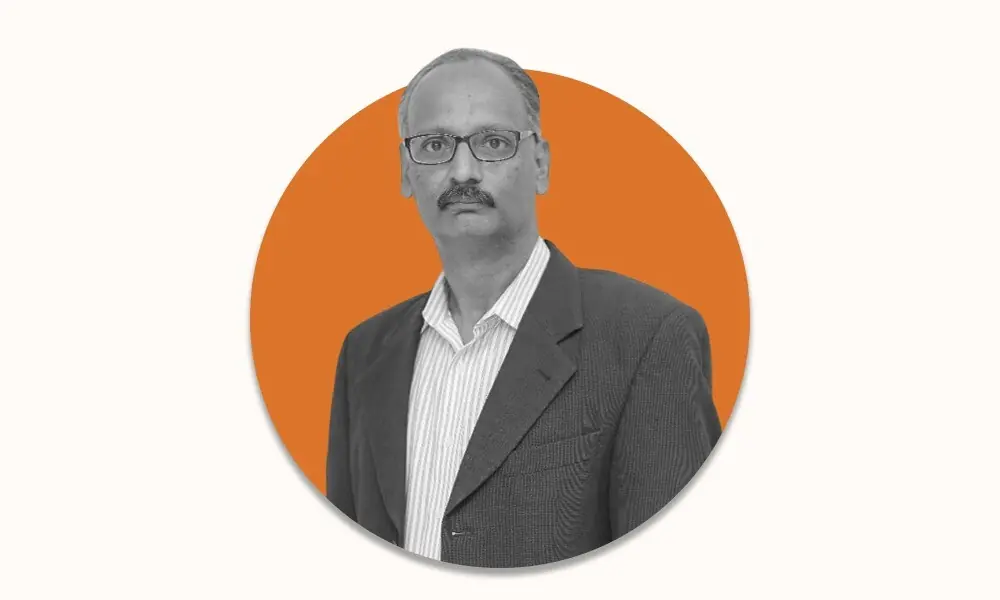
One such professional is Syed Muhammad Taha Owais, an Area Technical Manager at Optix Pakistan Pvt. Ltd. Known for his expertise in FTTH and GPON systems, he has contributed significantly to the development of fibre infrastructure in several key residential and commercial zones in the city. Through careful planning and technical management, he has helped ensure that thousands of residents enjoy stable and high-quality internet services.
Home optic fibre offers many advantages that make every day digital life easier and more enjoyable. One of the most important benefits is symmetrical speed. Unlike older networks that focus mainly on download speed, fibre can provide nearly equal upload and download speeds. This is extremely useful for cloud storage, video calls, sending large files, and any form of online collaboration. As many people in Karachi now work remotely or run small businesses from home, having strong upload speeds has become just as important as being able to download information quickly.
Another major advantage of optic fibre is low latency. Latency refers to the delay between the time a user performs an action online and the time the network responds. High latency can cause problems such as lag in online games, delays in video calls, or interruptions during live streaming. Because fibre uses light instead of electricity, it delivers much faster response times, creating a smoother experience for users. This is especially important for the students attending online classes, gamers participating in competitive matches, and professionals who rely on real-time communication.
Security is another area where fibre connections stand out. Fibre is naturally more secure than copper or wireless connections because it is much harder to tap the light signals travelling through the glass strands. This gives households and businesses greater confidence when using online banking, private communication tools, or cloud-based storage. As Karachi becomes increasingly digital, the need for safe and trustworthy internet infrastructure becomes even more important.
Building a fibre network is a long and detailed process that begins long before the cable reaches a customer’s home. Engineers must first carry out a complete survey of the area, mapping routes, identifying potential obstacles, and planning where to place ducts, manholes, joint boxes, and distribution points. After the civil work is completed, technicians begin laying fibre, performing splicing, and conducting OTDR tests to ensure that the signal is clear and strong. Only after thorough testing and configuration of the GPON equipment is the network activated for customer use. Every step requires precision and skill, as even a small mistake can affect performance later.
While most customers only notice the final result, fast and reliable internet, the system behind it is large and complex. Skilled individuals like Taha, who has overseen underground infrastructure for major areas of Karachi, help ensure that the entire chain of processes runs smoothly. By managing both deployment and maintenance, professionals in this field play a major role in keeping homes connected and running efficiently.
One of the challenges of maintaining fibre networks in a city as busy as Karachi is dealing with accidental damage. Construction work, road repairs, and heavy machinery can sometimes cause cuts in underground cables. When this happens, quick restoration is essential. Fibre networks are strong, but they are not indestructible, and a fast response makes the difference between long outages and short interruptions. Maintenance teams must identify the problem area, carry out repairs, re-splice the cable, and test the connection before restoring service. In many cases, this work takes place late at night or in difficult conditions because customers rely on constant connectivity throughout the day.
Training plays an important role in maintaining a reliable network. As technology evolves, teams must stay updated on the latest tools and techniques. Proper knowledge of splicing, OTDR interpretation, ODF management, and GPON configuration ensures that every part of the network performs at its best. Well-trained technicians can solve problems more quickly, reduce downtime, and prevent future issues. This is why strong operational leadership and continuous learning are essential in the fibre industry.
The demand for home optic fibre will continue to grow as more people adopt smart home devices. Smart TVs, home surveillance systems, digital assistants, smart locks, and energy management tools all require stable and fast connections. In many homes, several family members may be streaming, studying, gaming, or working at the same time. Fibre makes this possible without slowing down the overall performance. It provides the bandwidth needed for multiple devices to function smoothly together.
In the long-term, fibre networks also prepare cities like Karachi for future technologies such as smart grids, advanced telemedicine, virtual learning environments, and cloud-based workplaces. A strong fibre foundation allows these innovations to be introduced more easily and effectively. This means that investing in fibre is not only about meeting today’s needs but also about building the digital future of the city.
Home optic fibre has already transformed how people live, learn, and work. Its speed, stability, and reliability make it the best choice for modern households. Behind every fast connection is a network of engineers, planners, and technical experts who work tirelessly to ensure smooth and uninterrupted service. Their efforts help keep Karachi connected and moving forward.
As the city continues to grow, the importance of a strong digital backbone becomes even clearer. Fibre is more than just a cable; it is a powerful tool that empowers families, supports businesses, and strengthens communities. With the right infrastructure, training, and leadership, Karachi can continue to build a future where every home enjoys the advantages of modern connectivity.
The writer is a seasoned journalist and a communications professional. He can be reached at [email protected].

























Comments
Comments are closed for this article.