


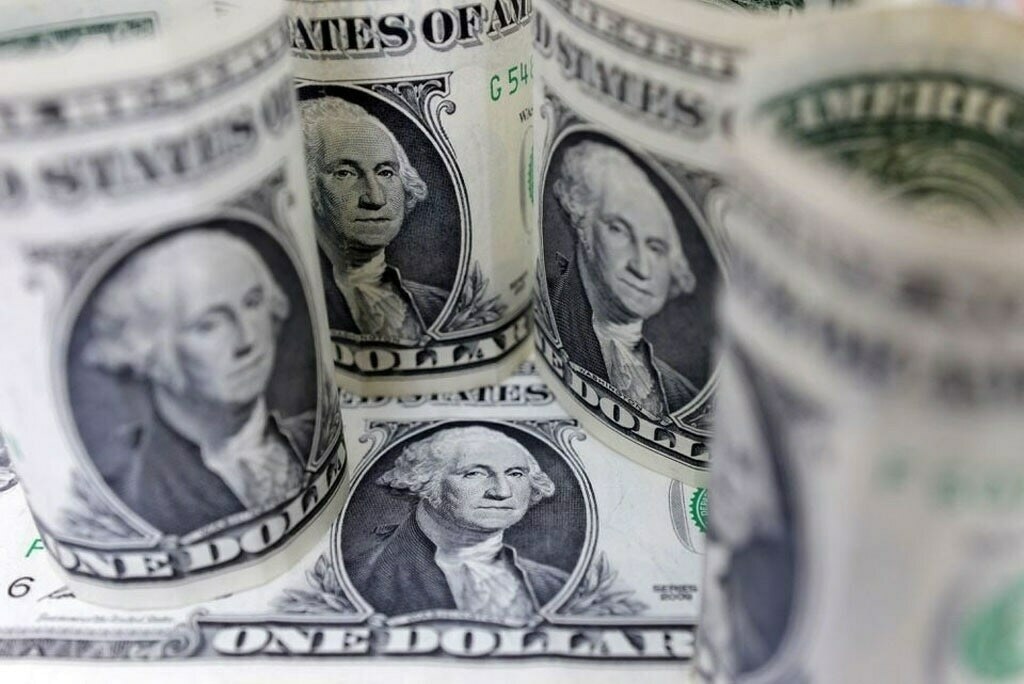

NEW YORK: The dollar touched a fresh 9-1/2-month high against the yen and edged up versus the euro on Tuesday, as investors worried about Japan’s fiscal stance and awaited US data for signals on the Federal Reserve’s next move.
European shares fell on Tuesday alongside US stock index futures amid concerns over stretched equity valuations, yet the greenback’s reaction in the forex market has so far remained muted.
The dollar index, a measure of the US currency against major rivals, was last up 0.05 percent at 99.59, after snapping a four-day losing streak on Monday. The safe-haven Swiss franc was roughly unchanged against the dollar and the euro.
The yen was last at 155.42, up 0.10percent. Earlier in the session it hit 155.445, its lowest level since February 4. While Bank of Japan Governor Kazuo Ueda has signalled the chance of raising interest rates as soon as next month, Prime Minister Sanae Takaichi has voiced displeasure over the idea and urged the BoJ to cooperate with government efforts to reflate the economy.
Barclays advised staying long on the US dollar against the yen, saying Takaichi’s Abenomics-style policies are likely to keep pressure on the Japanese currency. It lifted its target to 158.8, arguing that additional fiscal spending will swell Japan’s debt and raise the premium investors demand to hold yen.
Analysts also flagged a growing risk of foreign-exchange intervention, which could slow the dollar’s climb, though they noted that recent verbal warnings from authorities do not point to imminent action. Japanese Finance Minister Satsuki Katayama on Tuesday expressed concern over recent foreign exchange movements. Japan must compile a stimulus of around 23 trillion yen, Goushi Kataoka, a private-sector member of a key government panel, told Reuters on Monday.
That would far exceed the 17-trillion-yen package previously reported by the Nikkei newspaper, stoking fresh market anxiety over the supply of new government debt that bond markets would have to digest. The yield curve for Japanese government bonds steepened further on concerns about the size of Takaichi’s stimulus package, with 20-year yields reaching a 26-year high.
Japan on Monday moved to ease an escalating dispute with China over Taiwan after Takaichi said a Chinese attack on the island could trigger a military response. “That is so far enough to cast more doubts about the ability of the Bank of Japan to hike rates in December,” said Francesco Pesole, forex strategist at ING, after acknowledging that risks of escalation do not seem too high.
Investors awaited US economic data after the longest government shutdown on record, with the September jobs report expected on Thursday.
“This data is backward looking but remains very relevant,” said Paul Mackel, global head of forex research at HSBC. “It captures the period when the FOMC resumed its easing cycle and follows the time when Chair Powell sounded dovish at Jackson Hole about US labour market conditions,” he argued.




















Comments
Comments are closed for this article.