




The fiscal report card for 1QFY26 looks good at first glance: a primary surplus of 2.7 percent of GDP and an overall surplus of 1.6 percent. But scratch the surface and the shine fades quickly.
The government booked the State Bank’s full-year profit transfer in just one quarter. Normalizing it across four quarters reduces the primary surplus to 0.8 percent and pushes the overall balance into a 0.2 percent deficit.
More troubling is the paradox of rising debt-servicing costs despite sharply falling interest rates. Interest payments rose 6 percent to Rs 1,378 billion in 1QFY26, even though the average policy rate dropped from 19.2 percent a year ago to 11 percent.
This mismatch stems from two forces. First, the domestic debt stock surged 15 percent year-on-year to Rs 55.2 trillion by July 2025: more debt, bigger interest bill. Second, banks have skilfully profited from the rate decline. Many locked in high-yield T-bills when rates peaked, and the banking sector demanded higher premiums on floating-rate PIBs, now up 26 percent to Rs 35.6 trillion.
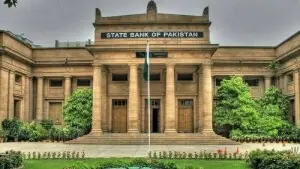
The SBP’s liquidity injections of around Rs 13 trillion through OMOs have fuelled these windfall gains. There is nothing illegal, just a marriage of flawed policy and opportunistic banking. Some banks have taken it even further: one major player’s investment-to-deposit ratio stands at an eye-popping 185 percent, borrowing short from OMOs to invest long. Clever for shareholders, questionable for an industry meant to serve as the economy’s lifeblood.
The government’s borrowing appetite remains inelastic, and the SBP keeps supplying the oxygen. With limited room for further rate cuts, however, bank profits may soon normalize. Banks, already the country’s largest taxpayers under steep rates, helped push federal tax revenues up 13 percent to Rs 2,884 billion. Meanwhile, the SBP’s Rs 2,428 billion profits from FY25 were largely driven by income from these very OMO injections.
So, part of the mounting debt-servicing cost cycles back into the government’s pocket. The problem lies in how it is used. Debt service weighs solely on the federal government, but more than half of FBR collections go to provinces under the NFC Award. The result: the Center drowns while the provinces party on borrowed liquidity.
It is a structural time bomb. Debt servicing has averaged 103 percent of the federal government’s net revenues over the past four years, an arithmetic impossibility for sustainability. Without reforming the 7th NFC Award and revisiting the 18th Amendment, escaping the debt trap will remain a fantasy.
Looking ahead, the fiscal path gets steeper. FBR collections are already trailing the IMF’s indicative target by Rs 200 billion. The Fund might grant a waiver if the government meets its primary-surplus target, likely through trimming federal development spending.
Beyond that, the only tax-free lever left is the petroleum levy, up 42 percent to Rs 372 billion. With global oil prices soft and consumption recovering, Islamabad can discreetly raise PL rate, which is already at Rs 77–78 per litre, without sparking inflation. But beyond petroleum, the cupboard is bare.
Provinces have ramped up development spending 56 percent to Rs 400 billion, yet that will not ignite growth. Cutting income and sales taxes could, but fiscal space is gone. Nor can rates fall much further without worsening the trade deficit. The irony: high real rates are shrinking growth but swelling debt-to-GDP even amid primary surpluses.
Pakistan’s macro economy stands locked in a low-growth, high-debt grid, with a finance team short on imagination and a system allergic to structural reform, especially of its lopsided fiscal federalism. As usual, the numbers behave; it is the policies that do not.
Copyright Business Recorder, 2025
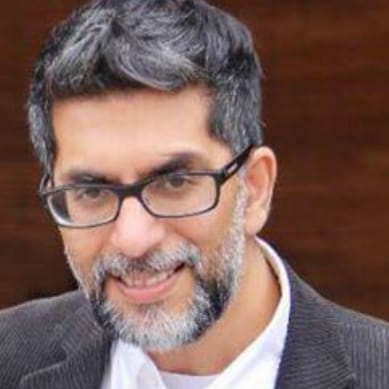
Ali Khizar is the Director of Research at Business Recorder. His Twitter handle is @AliKhizar












Comments
Comments are closed for this article.