


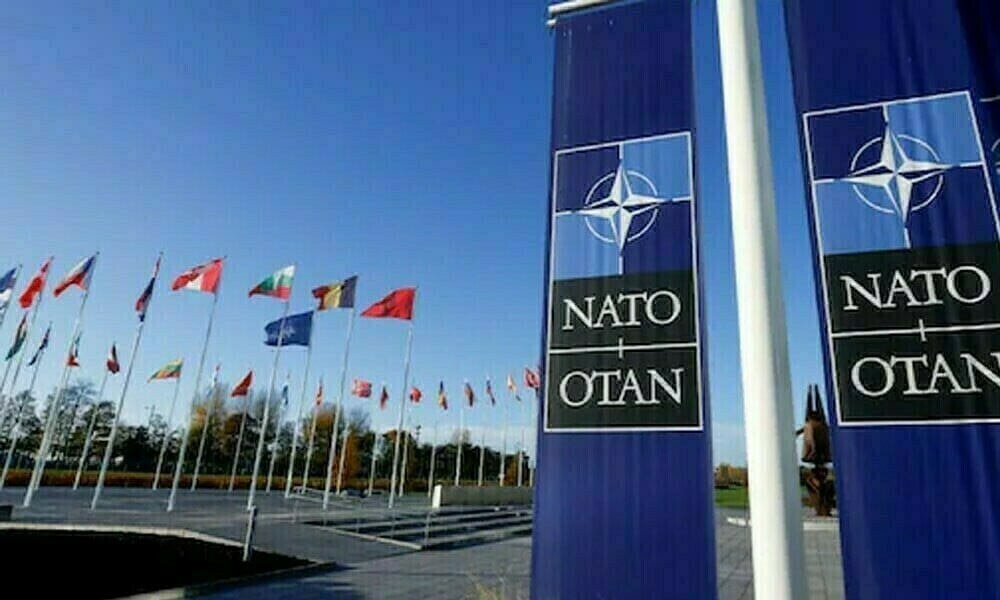

BRUSSELS: After high-profile violations of NATO airspace by Russia over Poland and Estonia, alliance members have appeared at odds over how forcefully to react.
While some have seemed to advocate for shooting down any jets breaching NATO’s border, others have warned about getting dragged into a conflict.
But behind all the noise, the differences may not be that great — and the Western defence alliance says its line is clear: if there is a direct threat, then it is ready to shoot.
“It’s a bit of an artificial debate. No changes are foreseen to these rules,” said one NATO diplomat on condition of anonymity.
Here’s what allies are saying and where NATO stands:
NATO’s eastern flank countries, who feel themselves most directly threatened by Russia, have led the way in calling for a stronger line.
Polish Prime Minister Donald Tusk said Warsaw would “react toughly” to any violations, and his top diplomat Radoslaw Sikorski told Moscow not to “whine” if its jets are taken out.
Lithuania’s defence minister Dovile Sakaliene said NATO-member Turkey “set an example 10 years ago” when it shot down a Russian jet that entered its airspace from Syria.
That incident caused a major diplomatic crisis between Ankara and Moscow, before Turkey apologised and the two sides patched up the dispute.
Such calls for action appeared to get a boost from NATO’s loudest voice, after US President Donald Trump said “yes, I do” when asked if countries should shoot down Russian planes breaching their territory.
German defence minister Boris Pistorius cautioned allies not to fall into the “escalation trap” as fears rise that the war in Ukraine could spill over.
“Slapdash demands to shoot something out of the sky or do some great show of strength help less than anything else right now,” he said.
French President Emmanuel Macron meanwhile struck a more ambiguous note by saying in an interview Wednesday that NATO should take its response “up a notch”.
At the same time he insisted that, in the face of these tests from Russia, “we aren’t going to open fire”.
US Secretary of State Marco Rubio also chimed in this week — in a message at odds with his boss — to say there wasn’t any talk of “shooting down Russian jets unless they’re attacking”.
“I think what you have seen is NATO responding to those intrusions the way we respond to them all the time,” he said.
NATO’s stance is pretty straightforward on its rules of engagement — if the alliance believes an aircraft poses a threat it is ready to shoot.
“You can be assured we will do what is necessary to defend our cities, our people, our infrastructure,” alliance chief Mark Rutte said this week.
“It doesn’t mean that we will always immediately shoot down a plane.”
Officials say the recent incidents over Poland and Estonia highlight that point.


























Comments
Comments are closed for this article.