


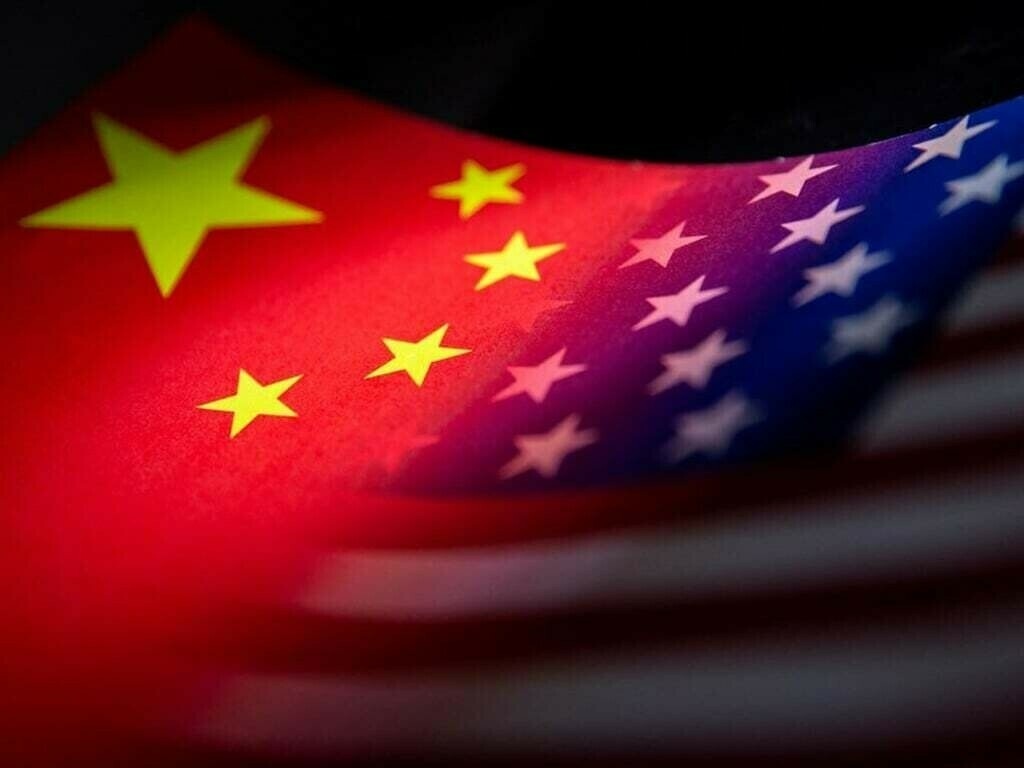
This is apropos a letter to the Editor from this writer carried by the newspaper yesterday. In this writer’s view, America’s containment policy rests on three key levers: military pressure, economic de-risking, and diplomatic isolation. Militarily, AUKUS deepens defense ties with Australia and the U.K., enabling Canberra to acquire nuclear-powered submarines for operations in the Taiwan Strait and South China Sea.
QUAD, which includes Japan and India, coordinates maritime security, supply chain resilience, and regional influence. Meanwhile, the Five Eyes alliance—comprising the US, UK, Canada, Australia, and New Zealand—has intensified accusations against China over cyber espionage and AI-enabled surveillance, framing Beijing as a systemic technological threat.
Economically, Washington’s “de-risking” strategy aims to reduce dependence on China’s supply chains by reshoring manufacturing, diversifying sourcing to countries like Vietnam and India, and restricting Chinese access to strategic technologies such as 5G, AI, and semiconductors.
At the same time, the US has leaned on its allies to align with these restrictions, even when it conflicts with their economic priorities. Diplomatically, Washington has deepened bilateral defense pacts, particularly with Japan and the Philippines, initiating joint maritime patrols in disputed waters and upgrading command structures. These moves aim to militarily encircle China and politically isolate it, but Beijing has responded with a more subtle, long-term strategy that prioritizes influence over intimidation.
Qamar Bashir
Copyright Business Recorder, 2025














Comments
Comments are closed for this article.