


Gilgit-Baltistan, Gwadar power projects: PM greenlights use of seized solar panels
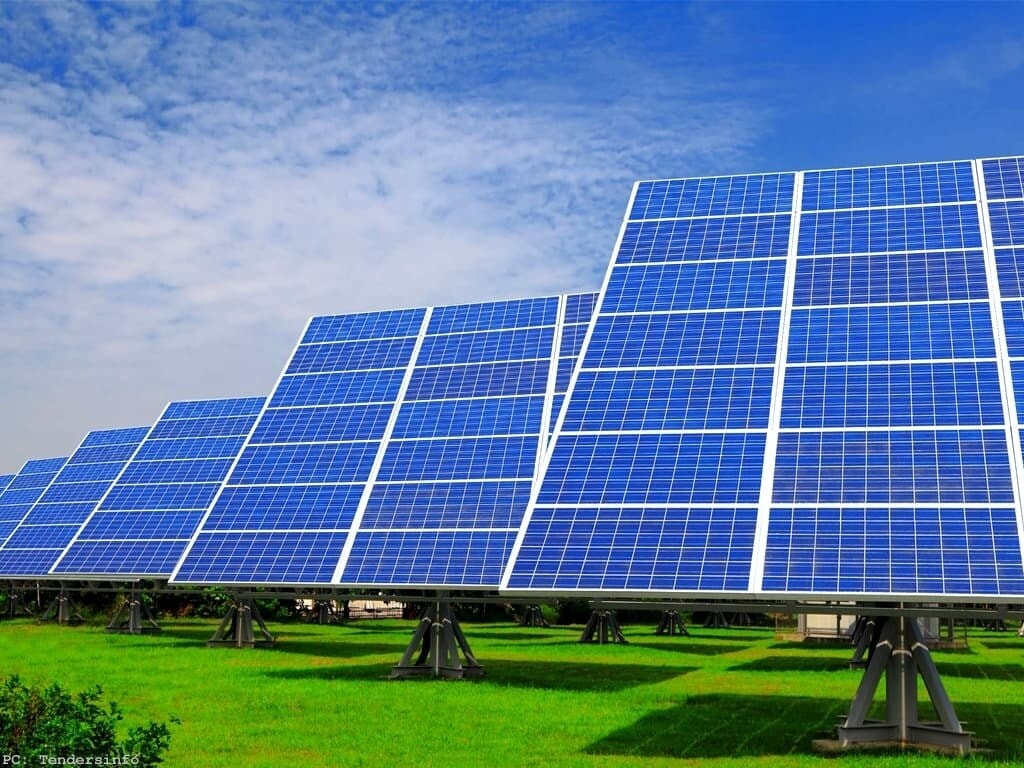

ISLAMABAD: In a strategic move to bridge the energy gap in some of Pakistan’s most underserved yet crucial regions, Prime Minister Shehbaz Sharif has greenlights a plan to utilise confiscated solar panels lying idle at Karachi Port for public power projects in Gilgit-Baltistan (GB) and Gwadar, sources told Business Recorder.
The panels, previously seized and awaiting clearance, will now be redirected to serve national development priorities. Sources confirmed to Business Recorder that the initiative aims to simultaneously resolve energy shortages and cut reliance on traditional fossil fuels—aligning with Pakistan’s push for sustainable energy solutions.
Under the directives issued by the Prime Minister’s Office, a rapid assessment of the panels’ quantity and technical condition is to be carried out. Key directives include: (i) 100 MW solar capacity to be deployed in Gilgit-Baltistan, enabling distributed solar photovoltaic projects across various remote sites; and (ii) remaining panels to be used for the solarisation of water supply schemes in Gwadar, where power instability has severely affected port and industrial operations.
Pakistan plans to use solar to power Gwadar Port
National Logistics Cell (NLC) will handle transportation logistics from Karachi to the designated regions.
In a decisive intervention, the PMO has also suspended any further auctions of solar panel containers at Karachi Port. Instead, teams from the Power Division, including the Private Power and Infrastructure Board (PPIB) and Pakistan Power Management Company (PPMC), along with representatives from the Government of GB, have been tasked with evaluating the technical viability of the panels.
To oversee the ambitious 100 MW solar initiative in Gilgit-Baltistan, the Ministry of Planning has formed a Steering Committee headed by the Federal Minister for Power. The committee’s role includes: (i) monitoring project milestones and resolving implementation hurdles ;(ii) ensuring cost-effectiveness, quality assurance, and adherence to PC-I standards ;(iii) coordinating between federal ministries, GB authorities, and donor agencies; and (iv) regular reporting to the PMO on progress and challenges.
The decision to deploy solar in Gwadar follows mounting complaints from industrial stakeholders. In a letter addressed to the Ministry of Maritime Affairs, Yu Bo, Chairman of China Overseas Ports Holding Company, highlighted persistent power outages and voltage instability that have crippled port and industrial operations in the Gwadar Free Zone.
He warned that ongoing disruptions threaten not only the productivity of existing businesses but also investor confidence in Gwadar as a regional logistics and trade hub.
Yu Bo urged immediate action including the upgrade of the existing infrastructure, implementation of real-time monitoring, and improved coordination with QESCO to ensure reliable power.
In response, Maritime Affairs Minister Junaid Anwar Chaudhry confirmed that the government will establish a dedicated solar power plant for Gwadar Port and Free Zone. The goal is to provide stable, independent electricity that bypasses current grid vulnerabilities.
Meanwhile, the Federal Board of Revenue (FBR) has reported a staggering Rs102 billion in revenue loss during FY 2023-24 due to sales tax exemptions on solar panel imports. The exemption—previously granted under the Sixth Schedule of the Sales Tax Act—was aimed at promoting clean energy.
In the 2025-26 budget, the government introduced an 18 percent GST on solar imports, sparking backlash. Following consultations, the tax was reduced to 10 percent, acknowledging the partial taxation (54 percent) already in place on solar components.
To further facilitate affordability, the Directorate General of Customs Valuation in Karachi reduced the customs value of solar panels to USD0.08–USD0.09/Watt, depending on origin.
According to analysts, the move to repurpose confiscated solar panels could mark a turning point for energy equity in Pakistan. By delivering sustainable power to regions like Gilgit-Baltistan and Gwadar, the government is not only addressing technical and economic concerns but also strengthening national integration through infrastructure development.
Copyright Business Recorder, 2025



















Comments
Comments are closed for this article.