


Developmental delays: AKU study finds 1 in 4 Karachi public school kids at risk
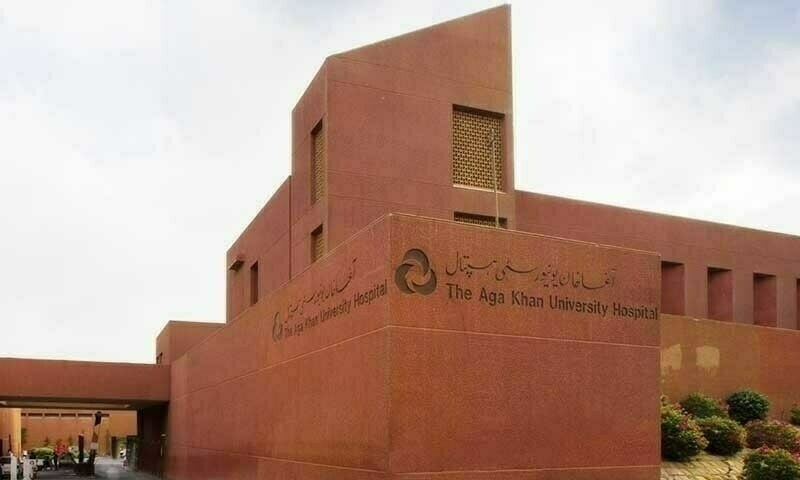

KARACHI: A new study by the Aga Khan University has found that one in four children aged 3 to 8 attending public schools in Karachi are at risk of developmental delays. Children from low-income families and ethnic minority backgrounds are especially vulnerable.
Research was conducted among children in Katchi, grade 1, and grade 2, measuring them in each of five developmental domains—social and emotional, physical, language, cognition, and communication skills. It was found that 28 percent of children were vulnerable in at least one of these domains, while about 10 percent struggled in all five. Pashtun children exhibited the highest vulnerability rates across all domains, measured by Early Developmental Index (EDI) compared to Urdu, Sindhi, Punjabi, Baloch, and other speakers. Boys were also found to be significantly more likely to be vulnerable than girls.
The study revealed that overall; children’s developmental vulnerability is shaped by a combination of gender, family income, and ethnic background. Identifying these gaps early is important as it can inform strategies that systematically protect and support the healthy development of all children in society. The study also called for imminent actions like targeted programs and policies that can support vulnerable children, laying the foundations for a developmentally healthier next generation.
“An individual’s early years are their most sensitive period, where the most rapid growth and development occurs,” says Dr Seema Lasi, Assistant Professor at Aga Khan University and co-author of the research study. “A child’s developmental health is deeply influenced by their parents, teachers and the social and environmental factors they grow up in. When we invest in early learning and create safe, nurturing environments, we lay the foundation for healthier, more resilient generations.”
“Children thrive when they are supported by both quality education and a stable, nurturing home,” says Dr Salman Kirmani, Director, Centre of Excellence – Women & Child Health, and Interim Director, Human Development Programme, Aga Khan University. “Developmental health isn’t just a medical concern; it’s a societal responsibility that begins at home and extends to every classroom.’
Copyright Business Recorder, 2025




















Comments
Comments are closed for this article.