


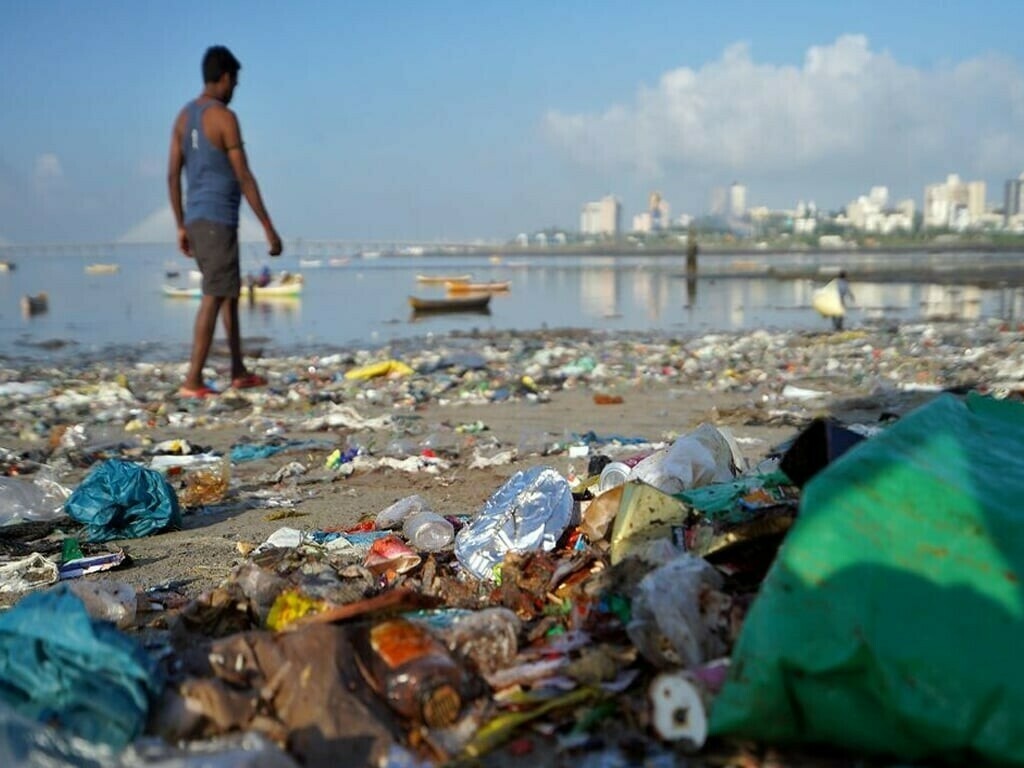

PARIS: Plastic pollution is a “grave, growing and under-recognised danger” to health that is costing the world at least $1.5 trillion a year, experts warned in a report on Monday.
The new review of the existing evidence, which was carried out by leading health researchers and doctors, was published one day ahead of fresh talks opening in Geneva aiming to seal the world’s first treaty on plastic pollution.
“Plastics cause disease and death from infancy to old age and are responsible for health-related economic losses exceeding US$1.5 trillion annually,” said the review in The Lancet medical journal.
Comparing plastic to air pollution and lead, the report said its impact on health could be mitigated by laws and policies.
The experts called for the delegates from nearly 180 nations gathering in Geneva to finally agree to a treaty after previous failed attempts.
Philip Landrigan, a doctor and researcher at Boston College in the United States, warned that vulnerable people, particularly children, are most affected by plastic pollution.
“It is incumbent on us to act in response,” he said in a statement.
“To those meeting in Geneva: please take up the challenge and the opportunity of finding the common ground that will enable meaningful and effective international cooperation in response to this global crisis.”
The researchers also warned about tiny pieces of plastic called microplastics, which have been found throughout nature — and throughout human bodies.
The full effect of microplastics on health are not yet fully known, but researchers have sounded the alarm about the potential impact of this ubiquitous plastic.
The amount of plastic produced by the world has risen from two million tonnes in 1950 to 475 million tonnes in 2022, the report said. The number is projected to triple by 2060.
Yet currently less than 10 percent of all plastic is recycled, it added.
Landrigan said that the world’s plastic “crisis” is connected to its climate crisis. Plastic is made from fossil fuels.
“There is no understating the magnitude of both the climate crisis and the plastic crisis,” Landrigan said.
“They are both causing disease, death and disability today in tens of thousands of people, and these harms will become more severe in the years ahead as the planet continues to warm and plastic production continues to increase,” he said.
The report also announced a new effort to track the impact plastic pollution has on health, the latest in a series called The Lancet Countdown.

























Comments
Comments are closed for this article.