


Trump’s renewed interest in Pakistan has India recalibrating China ties
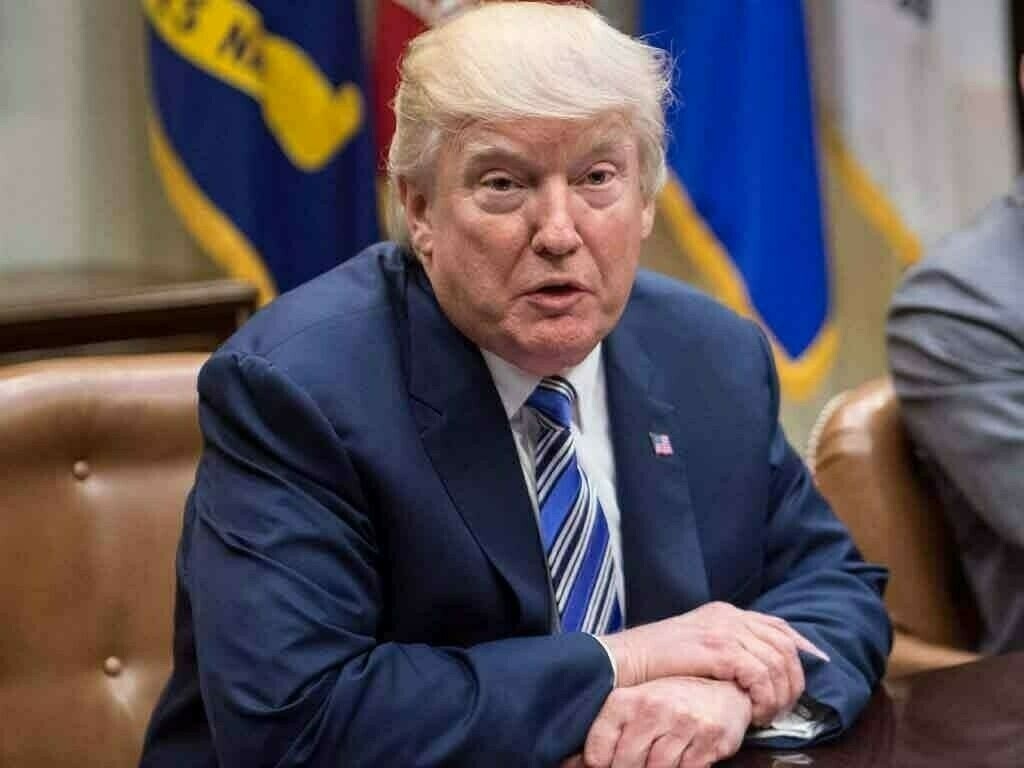

NEW DELHI: US President Donald Trump’s lunch meeting with Pakistan’s military chief prompted a private diplomatic protest from India in a warning to Washington about risks to their bilateral ties while New Delhi is recalibrating relations with China as a hedge, officials and analysts said.
The meeting and other tensions in the US-India relationship, after decades of flourishing ties, have cast a shadow in trade negotiations, they said, as Trump’s administration weighs tariffs against one of its major partners in the Indo-Pacific.
India blames Pakistan, especially its military establishment, for supporting what it calls cross-border terrorism and has told the US it is sending the wrong signals by wooing Field Marshal Asim Munir, three senior Indian government officials directly aware of the matter told Reuters.
It has created a sore spot that will hamper relations going forward, they said.
Pakistan denies accusations that it supports militants who attack Indian targets and that New Delhi has provided no evidence that it is involved.
US-India ties have strengthened in the past two decades despite minor hiccups, at least partly because both countries seek to counter China.
The current problems are different, said Michael Kugelman, a Washington-based senior fellow at the Asia Pacific Foundation think tank.
“The frequency and intensity with which the US is engaging with Pakistan, and seemingly not taking Indian concerns into account, especially after India’s recent conflict with Pakistan, has contributed to a bit of a bilateral malaise.”
“The concern this time around is that one of the triggers for broader tensions, that being Trump’s unpredictability, is extending into the trade realm with his approach to tariffs,” he said.
Prime Minister Narendra Modi’s office and India’s foreign ministry did not respond to a request for comment. The foreign ministry has previously said that it had “taken note” of the Trump-Munir meeting.
A US official said they do not comment on private diplomatic communications and that the United States enjoys strong relationships with both India and Pakistan.
“These relationships stand on their own merits, and we do not compare our bilateral relationships with one another,” the US official said.
The US seems to have taken a different tack on Pakistan after a brief conflict broke out between the nuclear-armed rivals in May when India launched strikes on what it called terrorist targets across the border in response to a deadly attack on tourists from the majority Hindu community in Indian Kashmir the previous month. After four days of aerial dogfights, missile and drone attacks, the two sides agreed to a cease-fire. Hindu-majority India and Islamic Pakistan have skirmished regularly and fought three full-scale wars since independence in 1947, two of them over the disputed Kashmir region.
A few weeks after the May fighting, Trump hosted Munir for lunch at the White House, a major boost in ties with the country, which had largely languished under Trump’s first term and Joe Biden. It was the first time a US president had hosted the head of Pakistan’s army, considered the most powerful man in the country, at the White House unaccompanied by senior Pakistani civilian officials.
Indian leaders have said Munir’s view of India and Pakistan is steeped in religion. “Tourists were murdered in front of their families after ascertaining their faith,” Indian foreign minister Subrahmanyam Jaishankar said in May, referring to the Kashmir attack.
“To understand that, you’ve got to also see...you have a Pakistani leadership, especially their army chief, who is driven by an extreme religious outlook”. Pakistan says it is Modi who is driven by religious extremism, and that his brand of Hindu nationalism has trampled on the rights of India’s large Muslim minority. Modi and the Indian government say they do not discriminate against minorities.









Comments
Comments are closed for this article.