


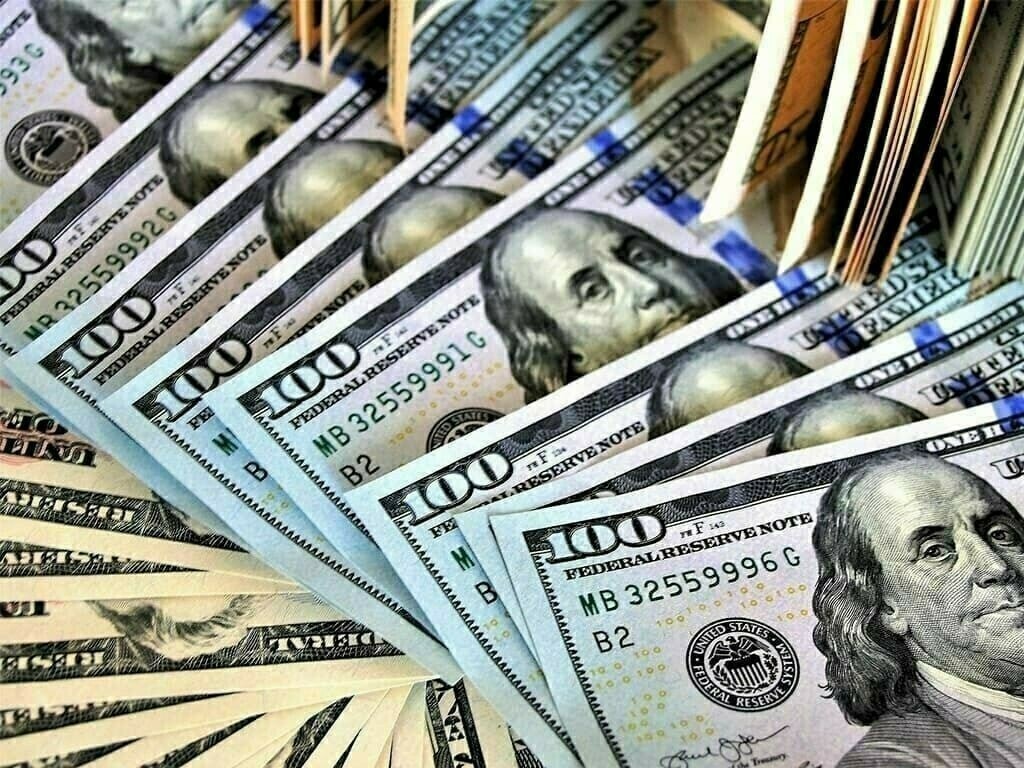

NEW YORK: The dollar hovered near more than a two-week high against the yen on Wednesday as US President Donald Trump pledged more trade-related proclamations after announcing 25% tariffs on Japan and other trade partners. The greenback advanced against major peers on Tuesday after Trump’s latest threats of tariffs that are now due to start on August 1, although he later said he was open to extensions if countries made proposals. Trump said on social media that there would be announcements on Wednesday regarding “a minimum of 7 countries having to do with trade,” without specifying any details.
He also threatened a 50% tariff on imported copper and said he would soon introduce long-threatened levies on semiconductors and pharmaceuticals.
Despite recent gains, the dollar index, which measures the greenback against six major peers, is still down more than 6% since Trump on April 2 unveiled his sweeping “Liberation Day” reciprocal tariffs, which prompted a sell-off in markets but were later mostly postponed to give time to negotiate bilateral trade deals.
“Markets have really taken in their stride all of these tariffs letters that have been sent out recently because the calculation that traders are making is essentially this is Trump trying to play a bit of brinkmanship - escalate the situation with the hope that it gets the two parties to a deal much quicker,” said Michael Brown, senior research strategist at Pepperstone.
The dollar was down 0.16% at 146.36 yen, after touching 147.19 earlier in the session. The US currency has gained around 1.5% so far this week - the greenback’s biggest weekly rise since mid-December. Export-dependent Japan stands out among major US trading partners as being the farthest from a deal, and its currency has taken a beating.
Multiple rounds of talks have failed to result in a breakthrough, and Japanese policymakers are increasingly focused on a critical upcoming election. Speculation that opposition parties will gain seats in Japan’s upper house and push for more fiscal stimulus has sent Japanese government bonds (JGBs) lower this week, causing a spike in long-term yields. US Treasury Secretary Scott Bessent, who has been a key trade negotiator with Tokyo, is expected to attend the World Expo 2025 in Osaka, Japan, later this month, potentially opening the door for more discussions.
The euro slipped 0.04% to $1.172 as investors cautiously weighed the likelihood that the European Union would not receive a tariff letter and could secure exemptions from the US baseline rate of 10%, EU sources familiar with the matter told Reuters.
Minutes from the Federal Reserve’s June 17-18 policy meeting are expected later in the day and could offer clarity on the US central bank’s policy outlook.
Antje Praefcke, an FX analyst at Commerzbank, credited the euro’s strength against the dollar also to markets pricing in interest rate differentials between the US and Europe.


























Comments
Comments are closed for this article.