


EDITORIAL: Pakistan’s position at the bottom of the World Economic Forum’s Global Gender Gap for 2025, ranked 148th out of 148 countries, underscores systemic biases vis-a-vis gender equality.
Our parity score of 56.7 percent has regressed for the second consecutive year from 57.7 percent in 2023, depicting a concerning trend of stagnation and decline in four key areas.
Pakistan is placed 147th in economic participation and opportunity, 137th in educational attainment, 131st in health and survival, and 118th in political empowerment. The Index is an important reminder of entrenched gender disparities that permeate all aspects of this society.
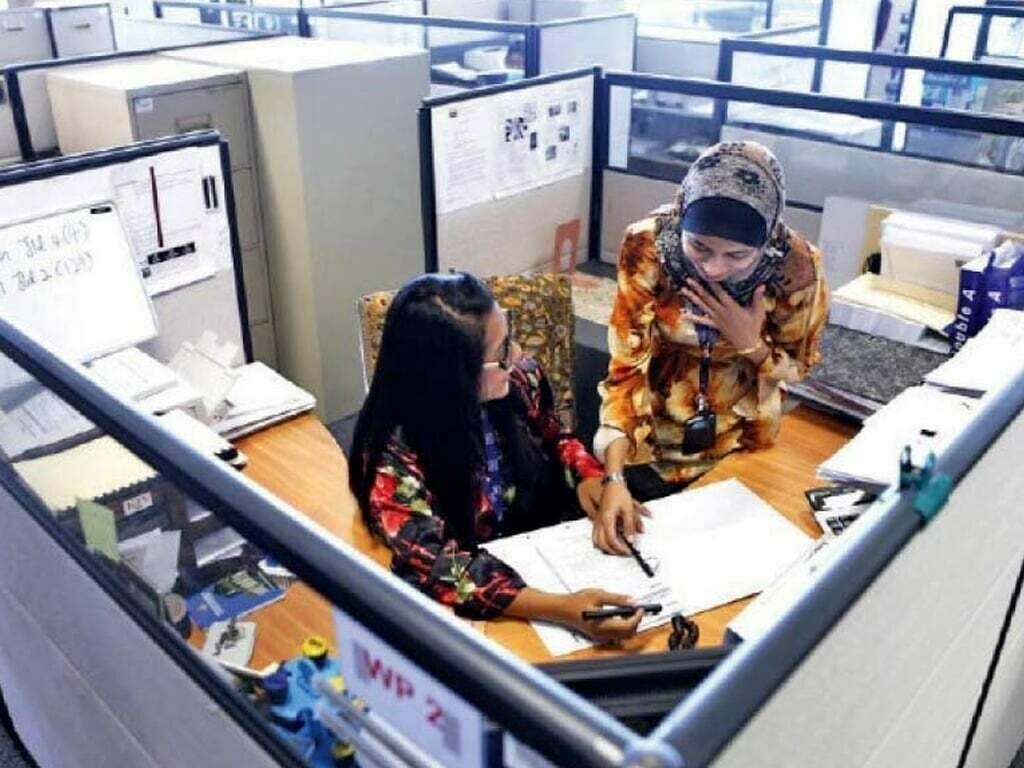
Economic landscape in this patriarchal culture remains deeply gendered. Women constitute only 36 percent of the economic participation with a mere 23 percent representation in the formal workforce. They make significant contribution to the agriculture sector, though their work remains largely undocumented and excluded from the WEF’s report.
The gender wage gap is particularly stark, with women earning 18 percent less than men for equivalent work. While agriculture accounts for 68 percent of employed women, an estimated 76 percent of them work without pay compared to 24 percent of men. Income disparity slightly increased last year (.2 percent) as did perceived wage inequality (4 percentage points).
Besides, very few females hold managerial positions, and are treated unfairly in postings and promotions. As regards education, Pakistan registered the sole sub-index advance with the parity going up by 1.5 percentage points to reach 85.1 percent overall. While the female literacy rate has improved male enrolment shares have dropped in tertiary education, creating a relative gender balance but for the most part lowering attainment standard.
We have made some progress in closing the gender gap in healthcare, yet issues remain. Our maternal mortality rates are among the highest in the world, and access to reproductive health services is very limited. Issues, such as these, are compounded by societal norms which undervalue women’s health and well-being.
Meanwhile, women’s representation in the political sphere is marginal. Although women have 33 percent reserved seats in the assemblies, only those get elected — rather selected — who are either related or known to major political figures. Consequently, genuine women’s voices are often absent from critical decision-making processes, perpetuating policies that fail to address needs of a vast majority of the female population.
While there are some isolated instances of progress, they are grossly insufficient to counterbalance the systemic barriers suppressing gender equality.
Achieving that goal requires comprehensive reforms, including effective enforcement of relevant laws, public sensitisation to gender issues, and policies that promote women’s economic and political empowerment. Only through sustained policy actions can Pakistan bridge the gender gap, ensuring a future of fairness for all.
Copyright Business Recorder, 2025






















Comments
Comments are closed for this article.