


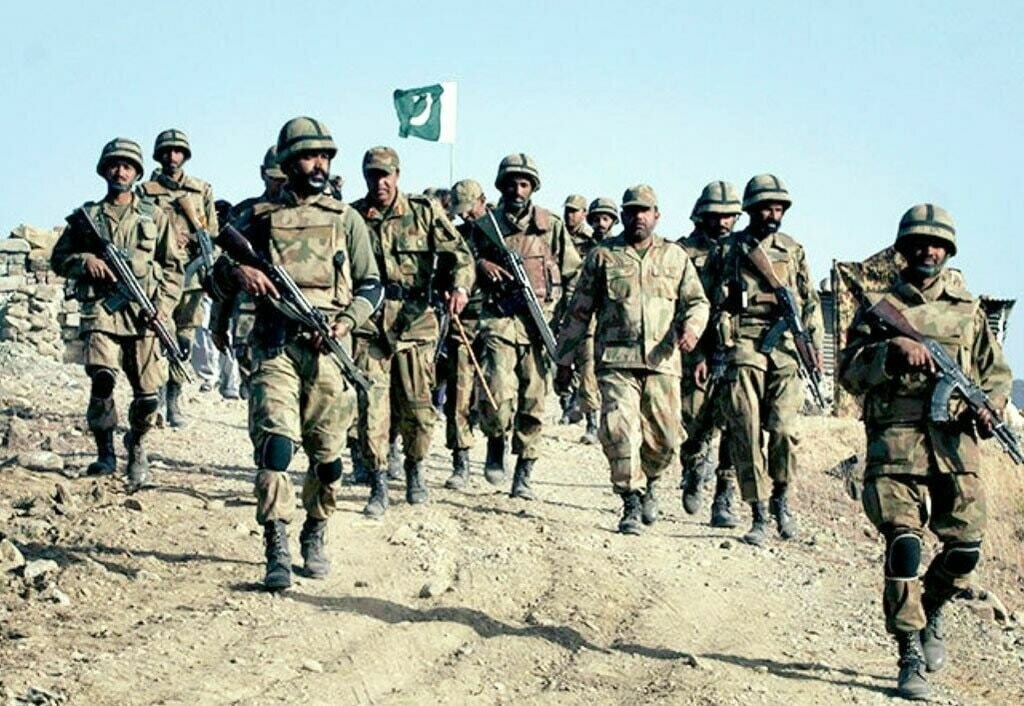
In a defining moment of South Asian military history, the May 2025 conflict marked a dramatic shift in the regional power balance. A far smaller and economically constrained Pakistan demonstrated not only military and technological parity with India, but also surpassed its rival in strategic planning, diplomatic agility, and psychological warfare.
What began as an act of hubris by New Delhi ended in national humiliation, with Islamabad emerging stronger and more respected on the global stage. India’s offensive – initiated under the assumption of swift success and limited backlash – turned into a monumental miscalculation.
Prime Minister Narendra Modi, buoyed by inflated domestic support and a self-image of regional dominance, underestimated Pakistan’s preparedness and resolve. He hoped to win quick political dividends through a show of force, especially ahead of crucial elections. But Pakistan did not respond as expected.
Instead of reacting impulsively, Islamabad bided its time. It waited for international consensus to identify India as the aggressor. This restraint, seen as both wise and mature, allowed Pakistan to garner global sympathy while preparing a precise and proportionate response.
When the counterstrike came, it was devastating – not in scale, but in effect. Pakistan’s military response was measured, disciplined, and surgically executed, exposing India’s vulnerabilities without breaching international law or targeting civilians.
Qamar Bashir
Copyright Business Recorder, 2025






















Comments
Comments are closed for this article.