


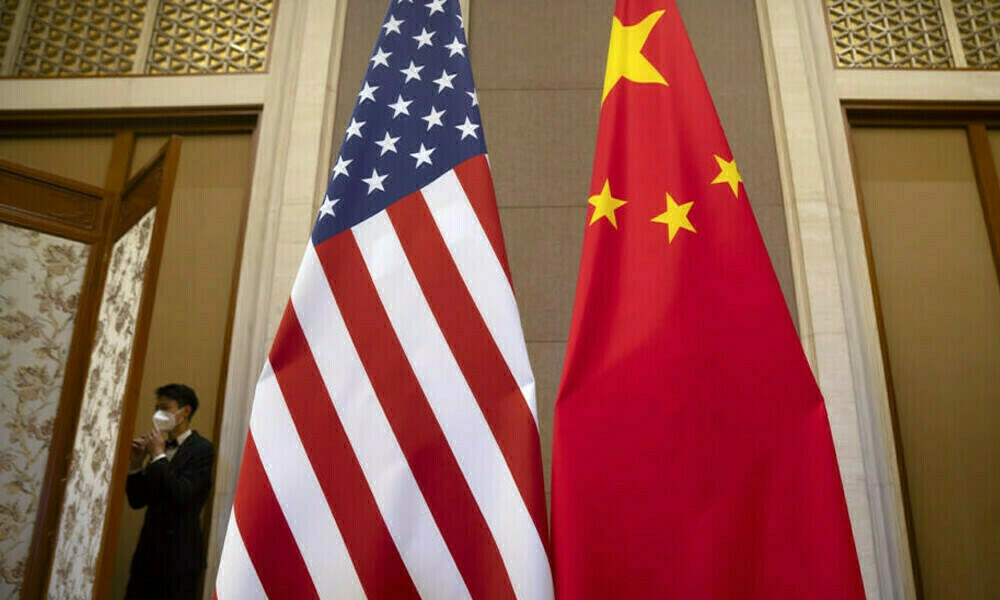

A 90-day trade thaw between Washington and Beijing could prove to be a welcome reprieve for the U.S. freight industry, as importers rush to lock in shipments ahead of the busy back-to-school period, experts said.
The $906 billion U.S. trucking industry, in particular, has been facing a nearly three-year-long slowdown due to overcapacity, which was worsened by President Donald Trump’s recent tariffs on the country’s largest trading partners.
But an agreement on Monday between the world’s two largest economies to slash tariffs for at least 90 days, coupled withthe White House’s deal with the UK and ongoing negotiations with other trade partners, have shifted expectations from fears of low freight activity to a potential import surge ahead of the peak shopping season starting late July.
While most transportation companies have lowered their second-quarter or full-year earnings guidance due to sweeping tariffs and weak consumer sentiment, “there is now a scenario where Q2 forecasts may be beatable,” Evercore ISI analyst Jonathan Chappell said.
Markets pare bets on Fed rate cuts following U.S.-China tariff delay
German container shipping company Hapag-Lloyd CEO Rolf Jansen said on Wednesday the company’s bookings were up 50% week-on-week for U.S.-China traffic, and that the carrier was deploying ships of different sizes to meet demand.
Bilateral trade between China and the United States touched $668 billion in 2024, Chinese customs data showed.
A pickup in port volumes increases demand for trucking capacity to move containers off the ports as well as for railroads to transport them inland. This typically boosts freight revenue, with profit gains depending on cost and capacity management.
The expected influx could benefit carriers such as JB Hunt , Knight-Swift, Hub Group and Old Dominion, and railroads such as Union Pacific and CSX stand to gain from a rebound in intermodal volumes.
The U.S. surface transport industry is among the first to register shifts in business activity, serving as a reliable barometer for broader economic changes.
C.H. Robinson’s global forwarding president, Mike Short, told Reuters that while some customers stocked up ahead of tariffs, many small-to-medium retailers took a wait-and-see approach and are now rushing to move goods.
Ecommerce packages left out of US, China tariff reprieve
“Given we’re in the back-to-school and retail season ordering period, importers will very likely place large orders and pressure the manufacturers in China to produce as quickly as possible,” said Dean Croke, principal analyst at DAT Freight & Analytics.
Considering the transit time, experts believe the additional freight will start hitting the U.S. West Coast ports by end-June, boosting spot rates around the same time as the peak produce shipping season.
“We’re advising clients to lock in capacity early, given the likelihood of tighter space and rising spot rates,” said Chad Schilleman, vice-president of Drayage Services at Trinity Logistics.

























Comments
Comments are closed for this article.