


ABUJA: Nigeria’s economy recorded its fastest growth in about a decade in 2024, driven by a strong fourth quarter and an improved fiscal position, the World Bank said on Monday, but warned that persistently high inflation remains a challenge.
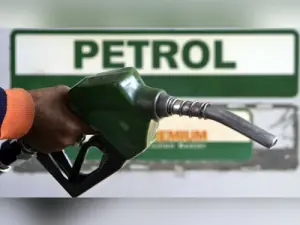
Bold reforms implemented by President Bola Tinubu, including ending costly petrol subsidies, slashing electricity allowances and twice devaluing the naira currency, have added to upward pressure on prices.
The World Bank’s lead economist for Nigeria, Alex Sienaert, said during a presentation in the capital Abuja that the economy grew by 4.6% year-on-year in the fourth quarter of 2024, and pointed to continued expansion in early 2025 based on high-frequency business indicators.
The World Bank expects Nigeria’s economy to grow 3.6% this year.
Nigeria’s foreign exchange reforms have created a market-reflective, unified and stable exchange rate, allowing the central bank to rebuild official reserves, now exceeding $37 billion, Sienaert said.
“That’s significant because this is the cushion the economy has against external volatility,” he said.
Sienaert said government revenue rose by 4.5% of GDP last year, a “remarkable achievement” driven by the removal of foreign exchange subsidies, improved tax administration and higher remittances.
The higher revenue helped cut the fiscal deficit to an estimated 3% of GDP in 2024, from 5.4% in 2023. But the full revenue gain from the removal of the fuel subsidy is also yet to fully materialise, Sienaert said.
However, Nigeria continues to grapple with high inflation, and Sienaert cautioned that tight monetary policy and disciplined fiscal policy must be sustained.














Comments
Comments are closed for this article.