


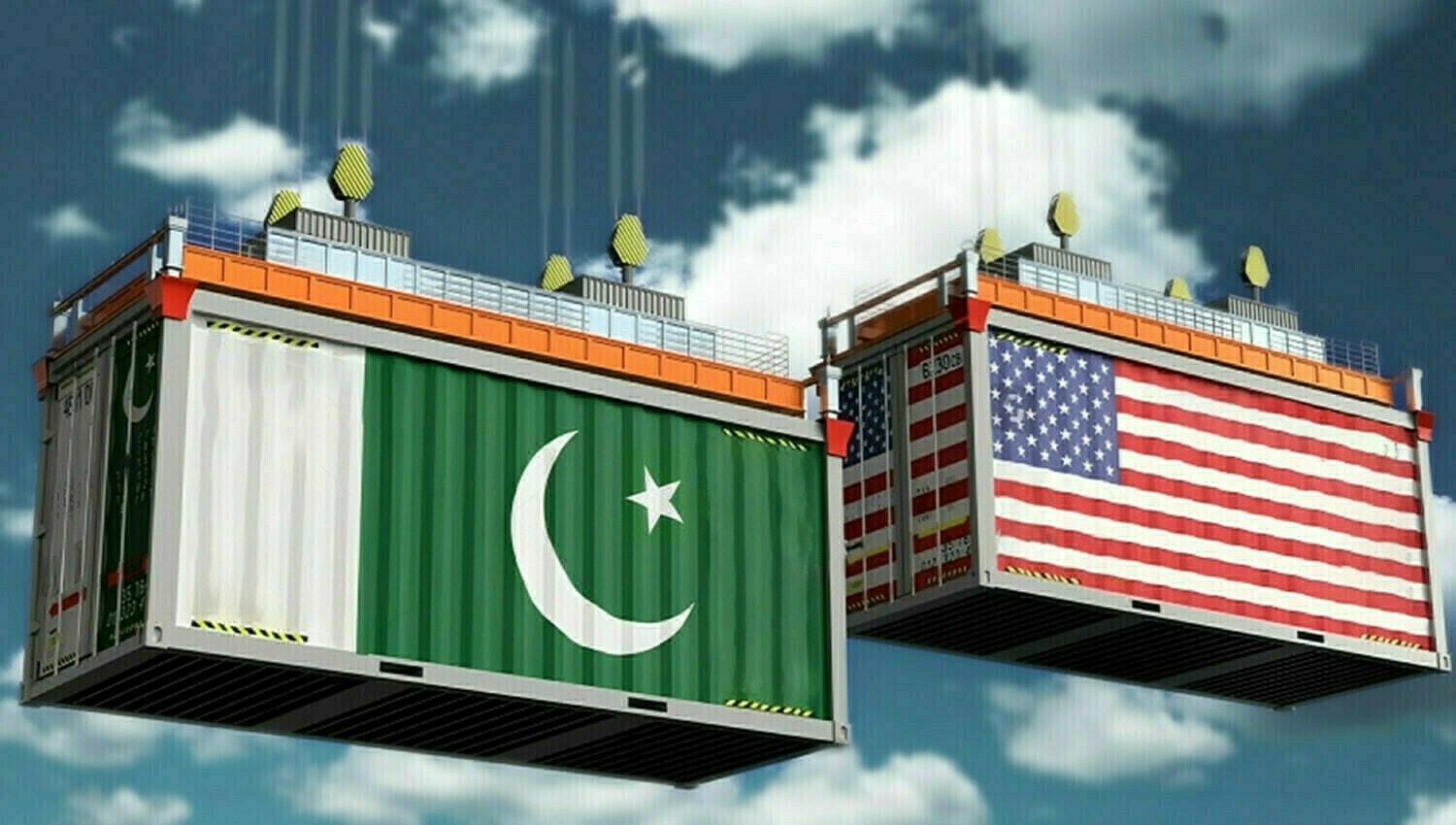
EDITORIAL: It appears that the authorities in Pakistan are taking the threat of US tariffs on our trade rather casually. In other words, they are not fully appreciating the import of potential implications. This is evident from Finance Minister Aurangzeb’s remark suggesting that Pakistan could sell its minerals—including rare earth metals—to the US to address trade imbalances.
However, these minerals and rare earth metals have yet to be explored at a significant scale in the country. While there is growing interest from local authorities—especially with Barrick Gold’s involvement in Reko Diq and other mineral sites—any tangible benefits are likely years away. Additionally, security and political challenges in Balochistan complicate matters.
Experts argue that merely securing a campsite, located 600-km into the province, is insufficient. The broader ecosystem and economic vibrancy of the region are missing. In short, there’s many a slip between the cup and the lip.
Meanwhile, our exporters and government officials are considering increasing imports of goods like soybeans, cotton, and crude oil from the US. However, these imports could be costly for importers and consumers alike, either due to the US’s lack of price competitiveness or higher freight costs.
Even with these measures, the core issues remain unaddressed. US policy documents explicitly highlight Pakistan’s non-tariff barriers and other irregularities, such as inconsistencies in customs valuation. There are also technical barriers to trade—for example, the implications of SRO 237 on bulk food items. The GMO soybean issue during the caretaker government’s tenure was a needless mess.
The proponents of improving the trade balance with the US may argue that non-tariff and technical barriers can be resolved, and special treatment granted to US imports. But that’s easier said than done. And even if this bridge is crossed, further challenges lie ahead.
There are also persistent issues affecting US services exports to Pakistan. Internet disruptions—including full outages—have hampered operations of the US companies in Pakistan, as well as local firms serving US clientele. The Finance Ministry and other authorities remain silent on this issue.
Moreover, one of the major US social media platforms—owned by a billionaire closely aligned with President Trump—is banned in Pakistan, which certainly does not help matters. Payment issues for social media marketing services also persist, affecting global giants like Meta and Alphabet. These companies are losing access to a sizeable market due to internet restrictions and platform bans.
Many more challenges are likely to surface when Pakistan engages with the US on trade. Pakistan is a relatively minor trading partner; our imports from the US are barely a rounding error for them. As a result, we are unlikely to receive any preferential treatment and may have to settle for the leftovers after deals are made with larger trading partners.
These are difficult times, and it is better to proceed with caution rather than unwarranted optimism. In other words, this newspaper seeks to caution against over-optimism.
Copyright Business Recorder, 2025




















Comments
Comments are closed for this article.