


Record 2024 temperatures accelerate ice loss, rise in sea levels, UN weather body says

SINGAPORE: Record greenhouse gas levels helped bring temperatures to an all-time high in 2024, accelerating glacier and sea ice loss, raising sea levels and edging the world closer to a key warming threshold, the UN weather body said on Wednesday.
Annual average mean temperatures stood at 1.55 degrees Celsius (2.79 Fahrenheit) above pre-industrial levels last year, surpassing the previous 2023 record by 0.1C, the World Meteorological Organization (WMO) said in its annual climate report.
Countries agreed in the 2015 Paris Agreement to strive to limit temperature increases to within 1.5C above the 1850-1900 average.
Preliminary estimates put the current long-term average increase at between 1.34-1.41C, closing in on but not yet exceeding the Paris threshold, the WMO said.
“One thing to point out very clearly is that one single year above 1.5 degrees doesn’t mean that the level mentioned in the Paris agreement had been formally exceeded,” said John Kennedy, WMO’s scientific coordinator and lead author of the report.
But uncertainty ranges in the data mean that it cannot be ruled out, he said during a briefing. The report said other factors could also have driven global temperature rises last year, including changes in the solar cycle, a massive volcanic eruption and a decrease in cooling aerosols.
While a small number of regions saw temperatures fall, extreme weather wreaked havoc across the globe, with droughts causing food shortages and floods and wildfires forcing the displacement of 800,000 people, the highest since records began in 2008.
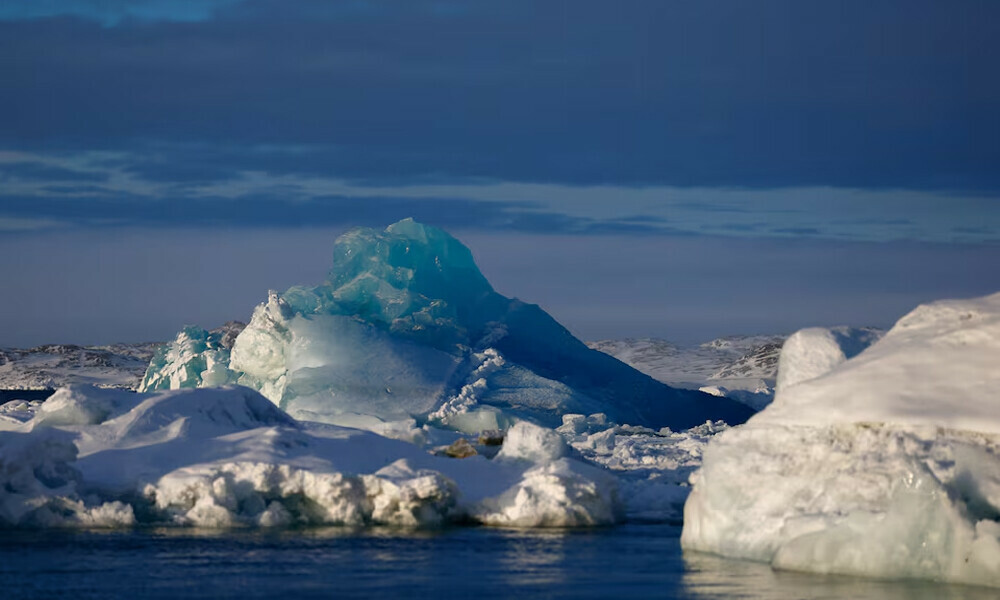
Ocean heat also reached its highest on record and the rate of warming is accelerating, with rising ocean CO2 concentrations also driving up acidification levels. Glaciers and sea ice continued to melt at a rapid rate, which in turn pushed sea levels to a new high.
Global green energy push likely to continue despite Trump climate retreat: UN
From 2015 to 2024, sea levels have risen by an average of 4.7 millimetres a year, compared to 2.1mm from 1993 to 2002, WMO data showed.
Kennedy also warned of the long-term implications of melting ice in Arctic and Antarctic regions.
“Changes in those regions potentially can affect the kind of overall circulation of the oceans, which affect climate around the world,” he said.
“What happens in the poles doesn’t necessarily stay at the poles.”


























Comments
Comments are closed for this article.