



ISLAMABAD: The Pakistan Textile Council (PTC) has voiced strong concerns over the recent decision by the Economic Coordination Committee (ECC) to raise the gas tariff for Captive Power Plants (CPPs) from Rs 3000 per MMBtu to Rs 3500 per MMBtu.
This 16.7% increase poses a significant challenge to the textile sector, which is already dealing with rising production costs and fierce global competition.
The textile industry is a cornerstone of Pakistan’s economy, contributing over 60% of total exports and providing millions of jobs. A sharp rise in energy costs, particularly for CPPs that supply crucial energy for uninterrupted production, threatens the competitiveness of Pakistani textiles in international markets.
No gas for CPPs: Textile Council urges govt to reverse its decision
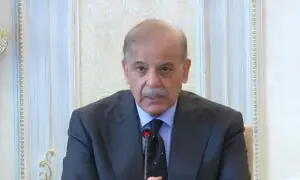
Chairman PTC Fawad Anwar is of the view that current tariff hike as part of a broader anti-export bias in government policy, favouring fiscal revenue over the growth and sustainability of export-oriented industries.
The move places an additional burden on the textile sector, potentially undoing the progress made in export growth, and worsening the country’s balance of payments situation. With already high energy costs, borrowing rates, wages, and taxes, Pakistan’s textile and apparel exporters face an increasingly impossible challenge in global markets.
“The ECC’s decision to raise gas tariffs for Captive Power Plants is deeply disappointing. Energy costs are a significant part of textile production expenses, and this increase will severely hurt Pakistan’s global competitiveness.
At a time when we need to focus on export-led growth to stabilize the economy, this decision sends the wrong message to the export sector, deterring investment and threatening jobs in the industry. We strongly urge the government to reconsider this move and work with stakeholders to develop policies that promote, not hinder, export growth,“ said Fawad Anwar.
The PTC stressed that the textile industry is not only an economic pillar but also a vital source of employment and national development. Policies that place excessive burdens on this sector undermine efforts to stabilize the national economy.
The Council has called on the government to adopt a more balanced approach by reversing the gas tariff hike for CPPs, ensuring a continued supply of RLNG at stable prices, rationalizing UFG, eliminating cross-subsidies, and developing a comprehensive long-term industrial energy policy that considers global competitiveness.
Copyright Business Recorder, 2025










Comments
Comments are closed for this article.