




Initial impression suggests that the budget is a mix of austerity and election year spending. The thought process shows long-term planning in some places while in other places short-term election thinking is prevailing. The International Monetary Fund’s (IMF’s) tough measures have somehow been adjusted along with some unrealistic targets. There are some populist measures along with an end to exemptions.
Taxes such as petroleum levy are set at peak levels while assuming volumetric growth. GDP is expected to grow at 5 percent with 11 percent inflation. Both are non-realistic. Independent forecast suggests that growth would be lower and inflation higher. In short, the budget is based on compliance with the IMF conditions, and it is going to be tough on people. And it could be followed by a mini-budget by October if the revenues fall short of target.
Finance Minister Miftah Ismail’s speech was carefully crafted and emphasized on relief measures and structural direction. The catch will be found in details to see where and by how much exemptions shall be removed. On the face of it, there are no new taxes as such – existing ones have been repackaged. Minimum salary threshold is increased while higher taxes have been imposed on top slabs. Some fear that government will lose revenues as many report income close to minimum level.
This budget is not going to lead to higher growth. The 5 percent target is just set on paper. If the government doesn’t complete remaining term, it can run its election campaign on the issue. Then inflation at 11 percent is even more unrealistic. Petroleum prices at current international prices with full PL (even with zero GST) would be close to Rs300/liter. International prices are rising further and are expected to remain high in the short term. Then electricity subsidies are budgeted to be half of this year revised values. Same is the case for LNG. Expect both electricity and gas tariffs to increase.
Inflation would by no means be less than 15 percent (on average) in the upcoming fiscal year. The nominal GDP is expected to grow by 17 percent in FY23. This is based on assumptions of 5 percent GDP growth and 11.5 percent inflation. The actual math could be 15 percent inflation and 2 percent GDP. The nominal GDP growth would be somehow similar. And this may help in achieving IMF’s revenues targets.
However, budgeted revenues of Rs750 billion on petroleum levy would be a challenge if oil prices move towards $150/barrel. Imagine where petroleum prices in PKR for consumers might reach. Then on tax revenues, import compression could challenge targets on custom duties and sales tax which is heavily dependent on imports. If commodity prices remain high, these can be achieved. However, in that case, the subsidy element could increase.
Support measures have been announced for agriculture, IT, and other sectors. Let’s see how much this relief might help combat against growing inflation. The budget displays intention to provide energy at regionally competitive rates to exporters. However, Rs 20 billion has been allocated against the revised estimates of Rs26 billion this year. Then the promise of no-load shedding due to fluctuations on grid provisions is easier said than done.
The real challenge is on budget implementation. PSDP must be cut from the currently budgeted levels. In case of shortfall in revenues during first quarter, the IMF may ask for more. Even today the IMF is questioning some numbers and believes that some estimates are unrealistic. It seems there would be some revision (perhaps through a mini budget) by the end of first quarter; and this quarter is going to be the toughest. It is a bumpy road ahead for the government.
Copyright Business Recorder, 2022
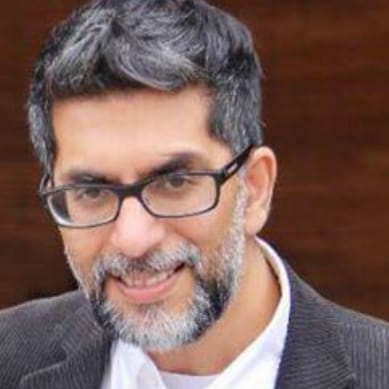
Ali Khizar is the Director of Research at Business Recorder. His Twitter handle is @AliKhizar




















Comments
Comments are closed for this article.