


Volkswagen wage deal with IG Metall union
- The deal with IG Metall will see salaries rise by 2.3% from January 2022. It also includes a 1,000 euro ($1,190) one-off "corona support payment" in June, the carmaker said.
- This is indeed a deal based on moderation that will probably be reflected in other areas too. It shows that, despite rising inflation, the wage-price spiral feared by many will not rear its head in Germany.
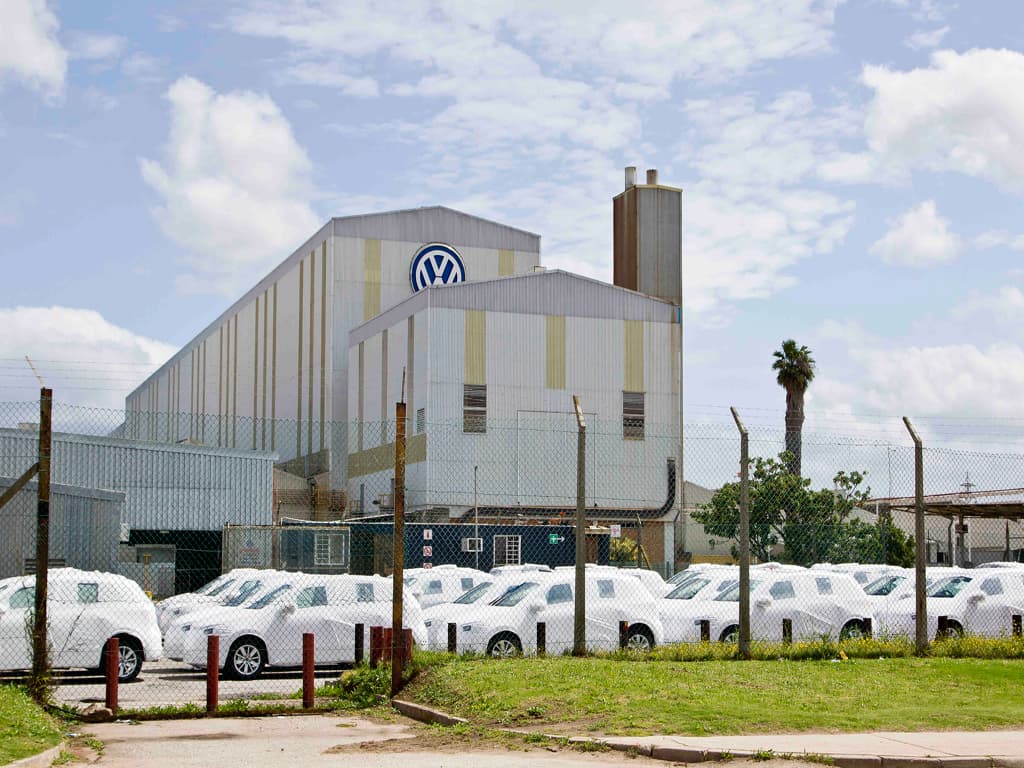

Europe's largest carmaker Volkswagen has agreed a wage deal with Germany's most powerful union for 120,000 staff, representing 18% of its workforce, it said on Tuesday.
The deal with IG Metall will see salaries rise by 2.3% from January 2022. It also includes a 1,000 euro ($1,190) one-off "corona support payment" in June, the carmaker said.
Here are initial analyst reactions:
KIRAN GANESH, UBS GLOBAL WEALTH MANAGEMENT
"It's a reminder for people of the forces that really drive inflation. There has been a lot of thinking that the US is doing a big fiscal stimulus therefore there will be inflation but the relationship is more complicated that. We need to see wage agreements moving in an upward direction to see the kind of 70s inflation people are expecting.
"Things like this wage agreement serve as a reminder there is still a high level of joblessness and it's not an environment where workers have a huge amount of bargaining power. The Amazon vote in the US too, while idiosyncratic, shows that some of the characteristics of the 1970s like high levels of unionisation, are not in play today. "
IPEK OZKARDESKAYA, SWISSQUOTE
"It seems like all groups are now willing to shoulder the terrible consequences of the pandemic-led economic crisis together, and solidarity is what the workers are left with to defend their best interests, even though the best is less than ideal right now. This deal will surely put pressure on other worker unions."
CARSTEN BRZESKI, ING
"This is indeed a deal based on moderation that will probably be reflected in other areas too. It shows that, despite rising inflation, the wage-price spiral feared by many will not rear its head in Germany. That said, no boost to purchasing power can be expected either. Preserving jobs is clearly the main priority."
THOMAS GITZEL, VP BANK
"Order books have markedly filled up in past months and the negotiating power of the employee side was thus not as bad as had been commonly assumed. It's worth noting that the duration of the wage deal at 23 months is substantially longer than the original employee demand. ... As a result, employers must be satisfied with the outcome."
HOLGER SCHMIEDING, BERENBERG BANK
"The long duration of the VW deal shows that wage pressures will only start to build up slowly again. For the ECB (European Central Bank) there are no grounds for concern over inflationary developments in this. After a temporary inflation hump this summer, euro zone inflation will fall well below 2% in 2022 again. Monetary policy should for the time being remain very expansive."









Comments
Comments are closed for this article.