


Harsh weather temporarily weighs on US retail sales in February
- Retail sales dropped by a seasonally adjusted 3.0% last month, the Commerce Department said on Tuesday. Data for January was revised up to show sales rebounding 7.6% instead of 5.3% as previously reported. Economists polled by Reuters had forecast retail dropping 0.5% in February.
- With many households set to get another round of direct checks that are more than double what they received in January, we expect spending to receive another jolt in just a few months time.
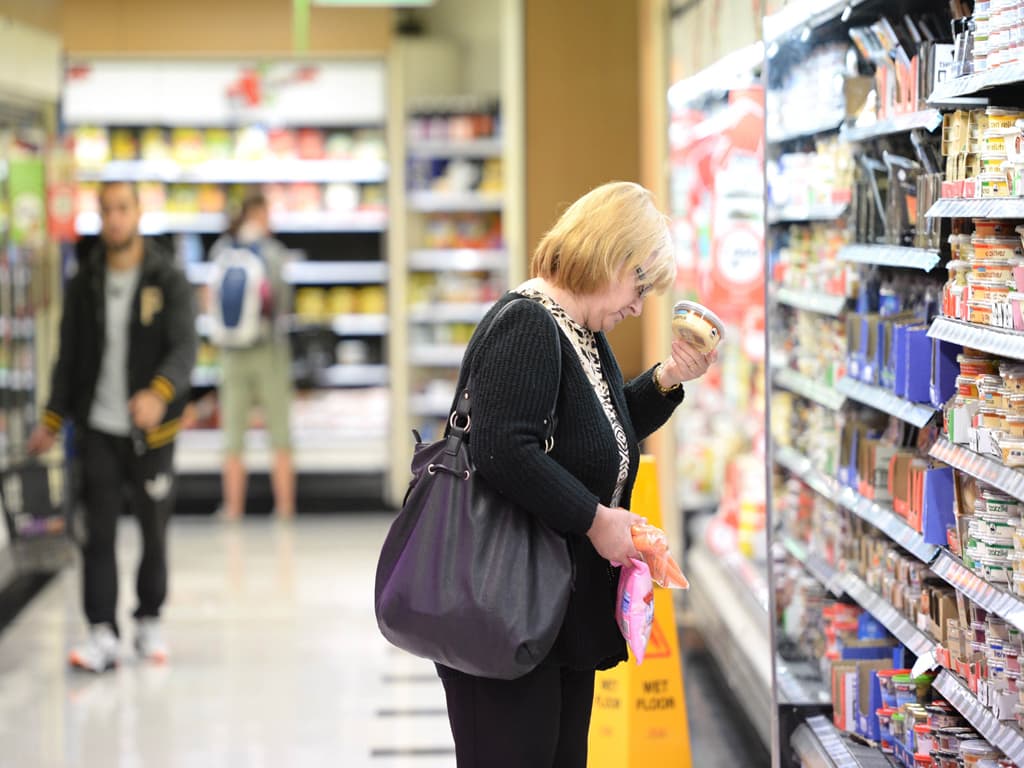

WASHINGTON: US retail sales fell more than expected moderately in February amid bitterly cold weather across the country, but a rebound is likely as the government disburses another round of pandemic relief money to mostly lower- and middle-income households.
Retail sales dropped by a seasonally adjusted 3.0% last month, the Commerce Department said on Tuesday. Data for January was revised up to show sales rebounding 7.6% instead of 5.3% as previously reported. Economists polled by Reuters had forecast retail dropping 0.5% in February.
Unseasonably cold weather gripped the country in February, with deadly snow storms lashing Texas and other parts of the South region. The decline in sales last month also reflected the fading boost from one-time $600 checks to households, which were part of nearly $900 billion in additional fiscal stimulus approved in late December, as well as delayed tax refunds.
Excluding automobiles, gasoline, building materials and food services, retail sales decreased 3.5% last month after surging by an upwardly revised 8.7% in January. These so-called core retail sales correspond most closely with the consumer spending component of gross domestic product. They were previously estimated to have shot up 6.0% in January.
Still, last month's drop in core retail sales left the bulk of January's gain intact, and the decline was probably temporary. President Joe Biden last week signed his $1.9 trillion rescue package into law, which will send additional $1,400 checks to households as well as extend a government-funded $300 weekly unemployment supplement through Sept. 6.
The anticipated rebound in retail sales will also be driven by an acceleration in the pace of vaccinations, which should allow for broader economic re-engagement, even as the rate of decline in new COVID-19 cases has leveled off. Households have also accumulated $1.8 trillion in excess savings.
"With many households set to get another round of direct checks that are more than double what they received in January, we expect spending to receive another jolt in just a few months time," said Sam Bullard, a senior economist at Wells Fargo Securities in Charlotte, North Carolina.
"After that, the record amount of 'excess' savings should provide ample support to fund consumption as the public health situation improves and restrictions on activities are eased."
Economists at Goldman Sachs on Saturday boosted their first-quarter GDP growth estimate to a 6% annualized rate from a 5.5% pace, citing the latest stimulus from the Biden administration. The economy grew at a 4.1% rate in the fourth quarter.
Goldman Sachs forecast 7.0% growth this year. That would be the fastest growth since 1984 and would follow a 3.5% contraction last year, the worst performance in 74 years.




















Comments
Comments are closed for this article.