


Japan's consumer prices fall at decade-fast pace, add to deflation fears
- Slumping fuel costs and a government campaign offering discounts for domestic travel were mainly behind the drop in CPI, the data showed. Of the total 523 components of the core index, 242 saw prices rise while those for 220 items fell.
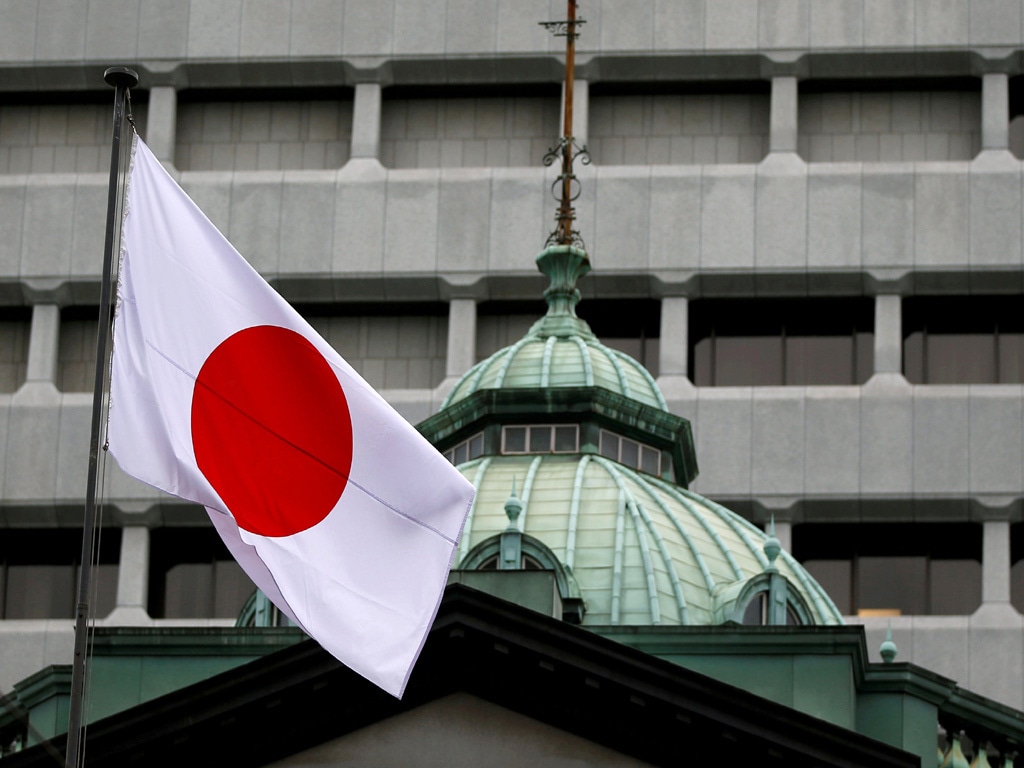

TOKYO: Japan's core consumer prices slumped in December at the fastest annual pace in a decade, a sign of intensifying deflationary pressures that sharpen the case for the central bank to come up with better ways to combat the deepening impact of the COVID-19 pandemic.
Friday's weak data underscores the challenges policymakers face in preventing the spread of the virus without adding to the strain on an economy already suffering from a renewed state of emergency rolled out this month.
The nationwide core consumer price index (CPI), which includes oil but excludes fresh food costs, fell 1.0% in December from a year earlier, government data showed, slightly less than a median market forecast for a 1.1% drop.
It was the biggest annual fall since September 2010, when Japan was grappling with grinding deflation and a spike in the yen that dealt a severe blow to the export-reliant economy.
"Consumption is slowing quite sharply so retailers can't raise prices. Japan is certainly facing deflationary pressures," said Takumi Tsunoda, senior economist at Shinkin Central Bank Research Institute.
Analysts, however, are split on whether Japan was heading back towards the two-decade long deflation it endured until 2013, when many companies competed for demand with big discounts.
"I don't think Japan is reverting to deflation as a trend, as price falls aren't necessarily broad-based," Tsunoda added.
Still, new state of emergency measures could cripple services spending and prod more firms to cut prices. That, in turn, could stoke public perceptions prices will keep falling - a risk the BOJ flagged on Thursday.
"I don't think the risk of Japan sliding back into deflation is high," BOJ Governor Haruhiko Kuroda told reporters on Thursday. "But potential growth may be falling so we need to look at the impact (on prices) carefully."
The weak price data could affect the BOJ's debate when it examines its framework in March as it aims to make its policy tools more "sustainable and effective", some analysts say.
Mounting deflationary pressures would heighten the need for the BOJ to come up with ways to ensure its massive stimulus programme can endure the battle towards achieving its 2% inflation target, prolonged by COVID-19.
Some analysts expect consumer prices to recover over the short-term.
Slumping fuel costs and a government campaign offering discounts for domestic travel were mainly behind the drop in CPI, the data showed. Of the total 523 components of the core index, 242 saw prices rise while those for 220 items fell.
When stripping away the effect of fresh food, energy and the impact of the government's travel discount campaign, consumer prices rose 0.1% in December, government estimates showed.
"While headline inflation dropped to an 11-year low in November, that was due to weaker energy and fresh food inflation. We expect inflation to recover over the coming months," said Tom Learmouth, an economist at Capital Economics.






















Comments
Comments are closed for this article.