


Oil drops $1 as investors focus on Hormuz flows after peace talks
- Brent crude futures declined $1.18, or around 1.2%, to $76.72 a barrel
Oil prices rebounded slightly after an initial drop, as tempered optimism over US-Iran peace talks and Strait of Hormuz traffic normalization countered market skepticism and falling US oil reserves.
- US-Iran peace talks and sanctions waiver.
- Market skepticism on the US-Iran accord's stability.
- Strategic Petroleum Reserve levels and Strait of Hormuz traffic.
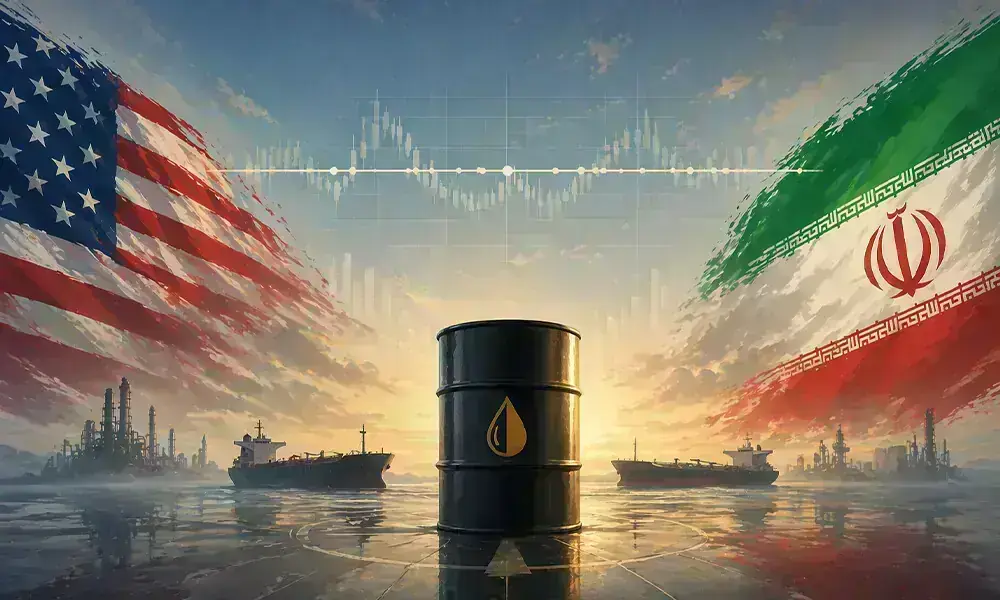

NEW YORK: Oil prices fell more than a $1 on Tuesday as investors monitored crude flows through the Strait of Hormuz amid signs of progress in U.S.-Iran peace talks.
Brent crude futures declined $1.18, or around 1.2%, to $76.72 a barrel while U.S. West Texas Intermediate fell $1.18, or 1.6%, to $72.68 a barrel by 10:06 a.m. ET (1406 GMT), after earlier dropping to a near four-month low of $72.48.
Prices fell more than 3% on Monday after the United States granted Iran a 60-day sanctions waiver following initial peace talks, and as officials reported a lull in hostilities in Lebanon under a broader agreement.
Oman and Iran agreed on Tuesday to press on with discussions about the future administration of navigation in the Strait of Hormuz, including maritime services in the strategic waterway and the costs associated with them.
A limited number of vessels are being allowed to pass through the strait each day under coordination with Iran’s Revolutionary Guards Navy, an Iranian military source told Fars news agency on Tuesday.
Two stranded supertankers passed through the strait on Tuesday, while seven empty Qatar-linked liquefied natural gas tankers have entered in recent weeks in an early sign Gulf gas shipping may be resuming, ship-tracking data showed.
U.S. President Donald Trump said 19 million barrels of oil flowed out of the strait on Monday, and pointed to falling oil prices in a social media post on Tuesday.
Still, in the short term, the easing of sanctions wouldn’t weigh on prices much, said Ole Hvalbye, market analyst at SEB Research, as the U.S.-Iranian memorandum of understanding was still new and fragile.
The world has lost millions of barrels of oil and gas supply since the war closed the strait, a chokepoint for about a fifth of the world’s oil and LNG supplies, for more than three months.
“Ship owners and operators will require assurances that the threats posed by mines have been fully eliminated. Damaged ports, debris in the water, and congestion present additional obstacles to an unconditional ramp-up in traffic,” said Tamas Varga, an analyst at PVM Oil Associates.
Iraq further increased output from its southern oilfields to around 2.1 million barrels per day as more tankers line up to load crude from its Gulf export terminals, two Iraqi oil officials told Reuters.
Rabobank cut its oil price forecasts, citing eased disruption risks in the Gulf, and now sees Brent at $79 a barrel in the third quarter and $78 in the fourth quarter.
Geopolitical risk persisted as Lebanon’s Hezbollah said Israeli forces opened fire on civilians in southern Lebanon on Tuesday and that the incident violated the ceasefire agreement between the two sides.
In the United States, crude oil, gasoline and diesel stockpiles were expected to have fallen last week, a preliminary Reuters poll showed on Monday.
Four analysts polled by Reuters estimated, on average, that crude inventories fell by about 5 million barrels in the week ended June 19.

















Comments