


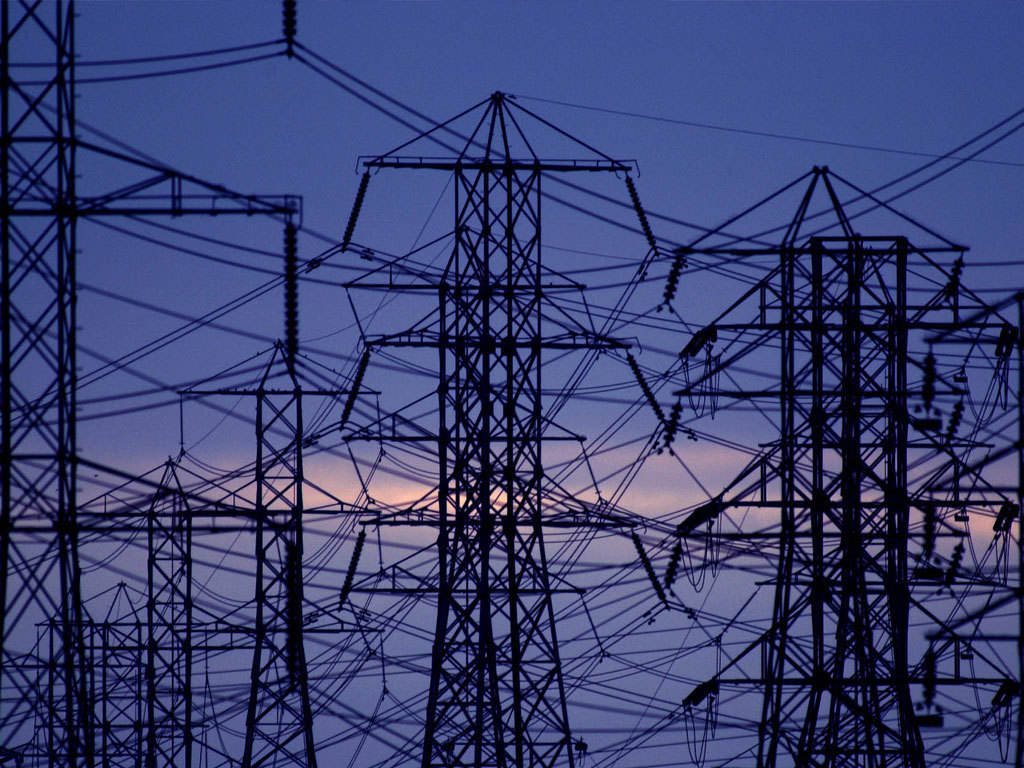

Another year of unfulfilled power sector reforms went by. The government could rightly claim that 2020 was perhaps not an easy year for reforms, as Covid surely took most headlines, and rationalization process was on the backseat. That said, the inertia has been broken and there has been some meaningful progress on the reform front.
First and foremost, the government has to come out of the blame game, more than two years at the helm. There is no denying that yesteryear policies have certainly had a long drag on the state of affairs in the power sector today. But that alone won’t cut it anymore. The fact remains that the power sector today is as crippled as it was 5 years ago and as worrisome as it was 10 years ago.
The concerns may have varied from having inadequate capacity in the system 10 years ago, to having a surplus capacity. Both are problematic. The surplus dependable capacity today raises concerns as demand has been painfully static over the last three years. What also remains worrisome is the fact that the government has shown little political will to take bold decisions.
The tariff revision soon after joining the IMF program are almost a given under any government, and much easier at the start of tenure. The hiatus ever since is very concerning. There are reports that the government is finally considering revising the base price after two years. It remains to be seen of that actually sees the light of the day, as the Prime Minister has time and again spoken of insulating the domestic consumer from any more energy price increase.
The IMF discussions have mostly revolved around tariffs, with the aim at reducing the gap between generation cost and price, reducing unfunded subsidies, eliminating delays in tariff notifications, and allowing the government to impose additional surcharges on consumer tariffs. These may well be vital steps but should not be the focal point of reforms. This is where the equation becomes too one-sided, with little regard to the much-needed structural reforms.
Here is hoping 2021 is different. It is time that the needle moves on the restructuring and privatization of gencos and discos, without which the reforms will not go anywhere. There is a need that the transmission mechanism is aligned with the generation and distribution realities, and the decisions are not taken in silos, which cost billions in lieu of inefficiencies This year could be more of the same in terms of circular debt accumulation, but if the reforms process gathers pace and is well-directed, this could also be the last such year. Business as usual and indecision will keep sending Pakistan back to square one.













Comments
Comments are closed for this article.