


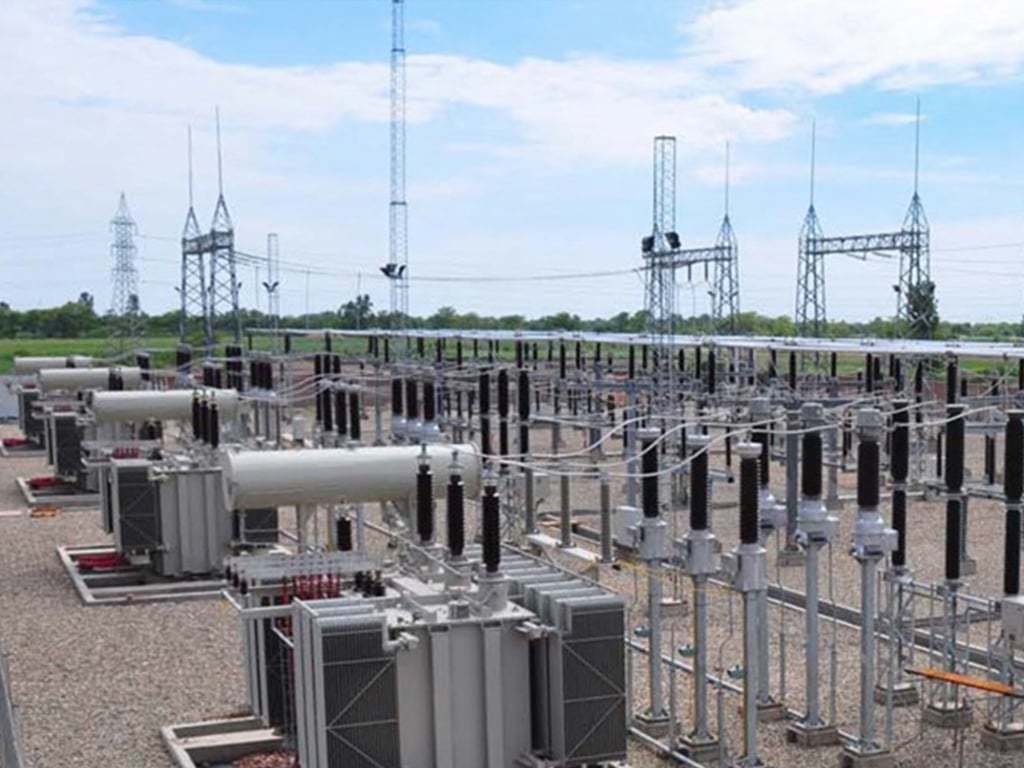

The integrated circular debt reduction plan is being submitted to the cabinet and principally it is approved. This has been the bone of contention with the IMF on the continuation of the programme. The energy base tariff has to increase. There are expectations of around Rs1-1.5 per unit increase on base power tariff in Jan 2021.
News reports suggest that base tariffs have to be revised up by 25-30 percent or Rs3.25-3.5/unit. The last tariff revision of around 25 percent took place in Jan 2019. The two years accumulated increase has to be passed on. In between there were some quarterly tariff revision.
The grapevine is that the tariff revision will take place in 2-3 stages in the next 3-6 months. The first hit might be applicable from the start of January. The existing pile of Rs235 billion circular debt due to non-passing of tariffs has to be cleared by the ministry of finance in the next 3-6 months. This increase in tariffs and clearing of debt and the plans to do further is likely to be enough to bring IMF and government on one page.
The basic math of tariff hike is that around two third of the increase is in capacity purchase price (CPP) – within it half is due to currency depreciation and rest is based on the new capacities. More capacities are coming in the next 12-18 months. The remaining one third tariff increase is due to increase in energy purchase price (EPP) – mainly due to currency adjustment as the energy price mix is improving in USD – due to shift from FO based generation to RLNG, coal and others.
The SAMP on power rightly says that the elephant in the room is capacity payment. The number is growing at a higher pace than the losses of discos. That fact is known to all. This section has repeatedly raised the issue. The tariff increase is warranted due to it and is the prime reason for IMF deadlock for over 12 months.
At the same time, everyone knows that the sane way to move is to enhance the electricity consumption in the country to lower the impact on CPP per unit. The consumption is stagnated for the past three years while the capacity payment has more than doubled in the same time. The number has to grow further by Rs600-800 billion in the next 2-3 years, assuming no currency depreciation.
The question is on the plan to lower CPP. Is there anything on to elongate the debt repayment of the 2015 power policy plants – be it in the CPEC or not? Is there any improvement in the country’s transmission and distribution system to absorb higher capacity? Is there any workable plan to convert captive power generation to the grid? Is there any agreement to shift excess power in NTDC system to KE?
Not much has been done in the past two years. That is why there is no other way but to increase tariffs. The integrated plan has some other elements such as to end the cross subsidies – be it for industry, low unit consumers or certain geographies. These have to shift to ministry of finance.
Then there are intentions to delay the commissioning of plants – COVID is already delaying these, and government wants commissioning to delay further. Some are agreeing and some are not. There will be an impact of the to be deal with the IPPs (MOUs are already signed). But there is nothing as such on the elephant in the room, which is debt elongation of CPEC and other plants. To-date, the only progress is to revise the equity return of a local group plant which is not delaying its commissioning.
The integrated circular debt reduction plan is coming. Questions remains when will the reform kickstart. Circular debt is part of, and not the entire problem. Settling the circular debt will also remain part of and not the solution to the mess.


















Comments
Comments are closed for this article.