


Colombian peso hits lowest in a month on weak oil price
- Colombian peso touches lowest level since July 1.
- Oil prices weaken on rough sledding for US fiscal package.
- Brazil posts record current account surplus.
- Carrefour Brasil up on after quarterly results beat.

The Colombian peso touched its lowest in four weeks on Tuesday as weaker crude prices pressured the oil exporter's currency after talks for a US coronavirus aid package stalled, feeding fears about the fuel demand outlook in the world's largest consuming country.
The peso fell 1.2% against the dollar. Oil prices weakened as US congressional Democrats criticized as inadequate a $1 trillion aid package that US Senate Republicans proposed on Monday.
Investors eyed a Colombian central bank policy meeting at the end of the week, with expectations for a 25-basis-point cut to the key lending rate.
Other currencies in Latin America were flat to higher against the dollar which steadied after bouncing off two-year lows. Analysts expected further weakness in the greenback on rising bets that the US Federal Reserve will maintain very loose monetary policies at the end of its two-day meeting on Wednesday.
"Fed officials have made clear that they will be making their forward guidance more dovish and outcome-based soon," analysts said in a TD Securities client note.
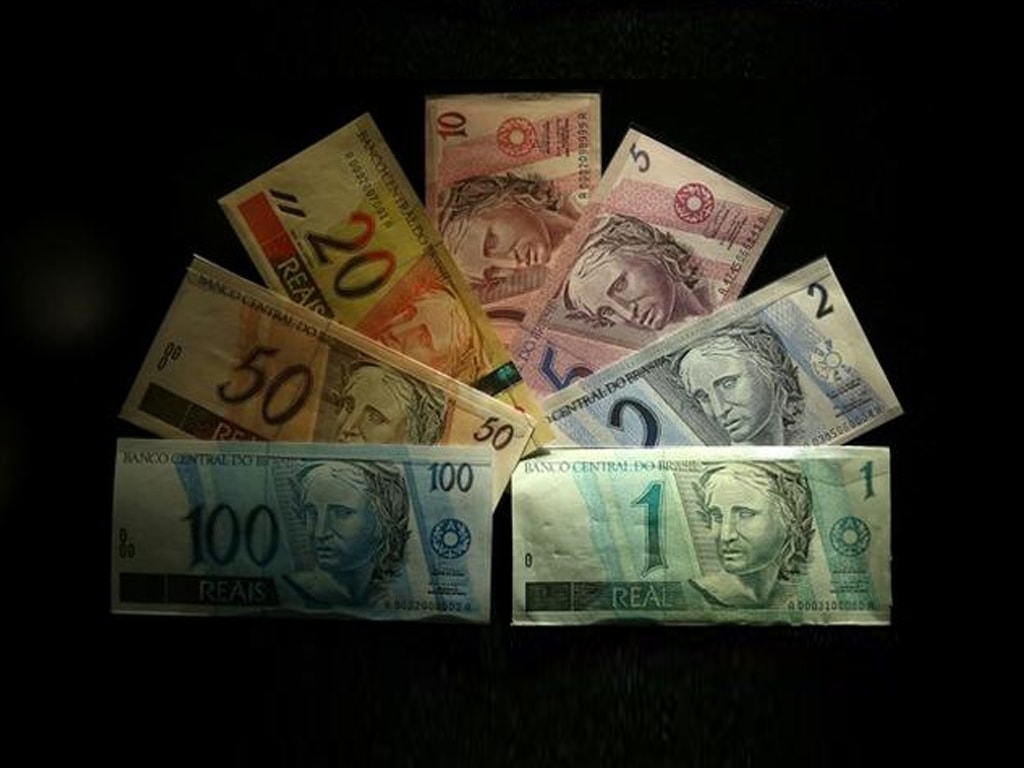
Brazil's real erased early losses to trade 0.2% higher. Data showed Brazil posted a record current account surplus in June, and attracted portfolio inflows for the first time since before the pandemic.
Separately, official figures showed Brazil's labor market may be over the worst of the coronavirus crisis after losing 1.2 million formal jobs in the first half.
Brazil stocks rose 0.1% with Carrefour Brasil up 4.7% after reporting stronger-than-expected quarterly results.
Mexico's peso traded marginally higher after retracing early losses. The national oil company Pemex said losses narrowed during the second quarter, although Latam's most heavily indebted company said its debt rose nearly $2.4 billion to $107.2 billion.
On Thursday, data is expected to show Mexico's economy contracted at historic levels of 17.7% in the second quarter, according to a Reuters poll of analysts.
Argentine over the counter bonds fell an average 0.7%. The country's main creditors said their latest debt restructuring proposal has support from investors holding more than half the country's foreign debt, bolstering their case for countering the government's most recent offer.
The broader emerging market currency index was pressured by a tumble in the Turkish lira which analysts said reflected pent-up selling pressure that has been restrained by interventions to keep the currency stable.


























Comments
Comments are closed for this article.