


Belarussian President Alexander Lukashenko, responding to rare public protests, on Wednesday slashed a big rise in fuel prices announced only the previous day. Mounting discontent over soaring consumer prices against the backdrop of a currency crisis is putting political pressure on authoritarian Lukashenko who has run the country since 1994, maintaining a Soviet-style government-dominated economy.
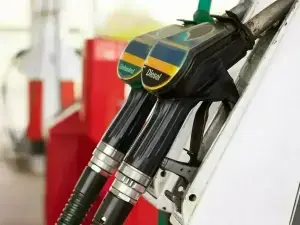
The government this week raised the cost of a litre of gasoline at the pump by roughly 30 percent to about $1 from $0.72, saying the move was necessary to protect the domestic market after a 36 percent devaluation of the rouble last month. However, on Tuesday evening, hundreds of motorists staged a protest rally along Minsk's main thoroughfare, hooting their car horns and raising the lid of their trunks to demonstrate dismayy at the gasoline price rises "Let us agree that from tomorrow morning, gasoline will cost ... no more than 4,500 roubles ($0.81)," Lukashenko told a government meeting on Wednesday.
Before the price hike, the price per litre stood at about 4,000 roubles. Lukashenko's opponents said Wednesday's move created a dangerous precedent for the government. "People may ask themselves 'If it worked with gasoline, why don't we try the same with sugar and other foodstuffs and products'," said Anatoly Lebedko, the leader of opposition United Civic Party. The ex-Soviet republic of 9.5 million people has been fighting a deepening currency crisis for months. It lost more than a quarter of its foreign currency reserves before devaluing the rouble in May. On June 1, reserves stood at $3.6 billion, down from $5.0 billion on January 1.
Consumer prices have risen by over 20 percent in January-May and officials say full-year inflation could reach 39 percent. The crisis has prompted panic buying of food staples such as sugar as well as durable goods. Shortly after the rouble devaluation the government froze prices of key foodstuffs, but analysts say the measure may lead to shortages and prompt rationing, further denting confidence in Lukashenko's government.




















Comments
Comments are closed for this article.