


Ethiopia's ruling party on Saturday marked 20 years in power since toppling the regime of dictator Mengistu Haile Mariam, pledging self-reliance and wiping out widespread poverty. Tens of thousands of flag-waving supporters swarmed Addis Ababa's main square to listen to Prime Minister Meles Zenawi, who promised to finish the building of a dam on the Blue Nile, a project that has put Ethiopia at odds with Egypt.
"Our people have shown us the unshakeable support and commitment to realise the construction of the Great Renaissance Dam," said Meles to a cheering crowd. "I have no doubt that our people and this government will make poverty history," he added.
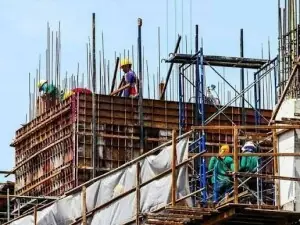
The construction of the dam was unveiled in March and is expected to generate 5,250 megawatts of power when completed. Ethiopia is among five upstream states that have signed a new treaty on the equitable sharing the Nile waters, upturning a colonial era agreement that gave Egypt and Sudan the lion's share of the world's longest river.
"All my life I have been dreaming about the use of the Nile. It was benefiting other people instead," said Major Dejene Meshesha, an 85-year-old war veteran. Saturday's celebrations marked the coming to power of the Ethiopian People's Revolutionary Front (EPRDF) when the then rebel group overthrew Mengistu's brutal regime after 17 years of armed struggle.
But the rally at Meskel Square was brief and Meles' speech devoid of nationalistic rhetoric and heroism, and the crowds dispersed soon after. Online campaigners had called for a "day of rage" demonstrations to coincide with the EPRDF's anniversary in the hope of forcing the government out through Egypt-and Tunisia-style street protests.
But the protest, organised by the Ethiopian diaspora, never took place. Meles has steered ambitious development programmes and rapid economic growth that has earned him solid support, which is also ensured by his party's strong grip on power and extensive grassroots presence across the country. The online protesters blame the government for high unemployment, poverty and the recent spike in commodity prices.






















Comments
Comments are closed for this article.