


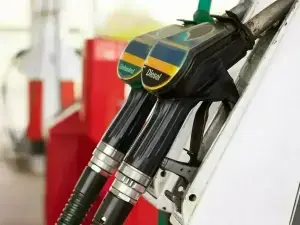
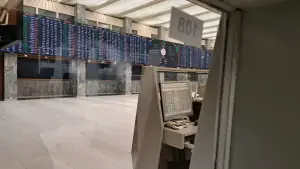
Iran launched a new Oil Exchange on Tuesday, putting on sale a consignment of gasoline for export to show what it says is new found self-sufficiency in the vital fuel, the official IRNA news agency reported. The bourse, located on the island of Kish, an economic free zone in the Gulf, has been planned for years but faced repeated delays.
Its launch comes after a rush by the Islamic state over recent months to expand refining capacity to counter economic sanctions, which were tightened last year to make it more difficult for Iran to import the automotive fuel. The world's fifth-biggest crude oil exporter long depended on imported gasoline for 30-40 percent of its consumption.
It now says it produces more than enough of its own and has become a net exporter, a rapid transformation which many foreign analysts view with scepticism, saying they believe it takes years, not months, to build so much new refining capacity. The launch of the Kish bourse is also part of Iran's plan to deregulate oil products and petrochemicals prices and create more transparency.
"The first supply of export-grade gasoline will be registered at the Kish Island Products Bourse international hall beginning today," said Akbar Hashemian, head of the Iran Product Bourse Co, which runs the Oil Exchange. The consignment will amount to 20,000 tonnes, with an octane of 87, supplied by the Bandar Abbas refinery in southern Iran, Hashemian said, adding that the National Iranian Oil Products Distribution Co had pledged to supply the bourse with up to 30,000 tons of gasoline per month.
EXPORT PLANS An energy official said on Monday Iran aimed to export up to 3.5 million litres of gasoline per day by next March, and Oil Minister Massoud Mirkazemi said on Tuesday that daily gasoline output would reach 76 million litres by then.
That represents a huge increase in refining since the United States and European Union sanctions were tightened on its gasoline imports last summer. Iran's oil ministry said last June its domestic industry produced 45 million litres of gasoline daily and that average gasoline consumption at the time was around 63.1 million litres.
"By increasing our production with 22 million litres of gasoline, Iran's gasoline output will reach 76 million litres by March," the semi-official Mehr news quoted Mirkazemi as saying on Tuesday, implying current output is 54 million litres. "Not only have the country's gasoline imports dropped to zero, but it also joined the exporting countries' club," he said.
Last month trade sources said Iran had struck a deal to sell gasoline to Iraq but that the rare cargo did not mean the Islamic Republic was now free from its dependence on gasoline imports. Iran also has sought to suppress domestic demand for gasoline by cutting state subsidies on auto fuel. Consumption fell to 52-53 million litres per day from around 61 million after prices rose by as much as seven times in January after the subsidy cuts, officials said at the time.




















Comments
Comments are closed for this article.