


A general strike to protest against a rise in fuel prices paralysed most economic activity in Nigeria for a second day on Thursday, but unions spared vital oil exports. The strike in Africa's top oil producer is the first major challenge for newly inaugurated President Umaru Yar'Adua, who inherited the price increase from his predecessor, ex-president Olusegun Obasanjo.
Talks on the strike were due to resume in Abuja at 1700 GMT. Unions had threatened to withdraw workers from oil tanker terminals on Thursday to stop exports and exert more pressure on the government, but shipping agents and oil officials said loadings continued normally.
"We are not seeing any impact on loadings at the moment," a shipping agent said. The strike closed general cargo ports, government offices, schools, banks and many private businesses. Public transport was almost non-existent, partly because of a week-old strike by tanker drivers which has caused a nation-wide fuel scarcity.
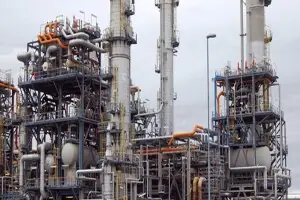
Airlines cancelled many domestic and some international flights. Traders of cocoa said bean shipments from the world's fourth largest producer were halted. But unions allowed essential operations in the oil industry, the country's economic lifeline, to carry on.
Unions went ahead with the protest despite a series of concessions offered by Yar'Adua, a former state governor who has yet to name a cabinet three weeks after taking office. The government cut the price of diesel and kerosene, revoked an increase in value-added tax and agreed to implement a public sector pay rise, meeting union demands on those points.
It also agreed to cut fuel prices by 5 naira (4 cents) a litre, but unions insisted that only a full revocation of the 10-naira increase would stop the strike. "It's an easy matter to resolve. All they need to do is roll back another 5 naira on petrol prices," said Peter Ozo-Eson, a director of the umbrella union body, Nigeria Labour Congress.
Bismark Rewane of consultants Financial Derivatives Co said Yar'Adua was handling the crisis poorly. "He is in a no-win situation and I think he will have to give in," he said. Many Nigerians support the strike because the majority live in poverty and fuel prices affect the cost of most basic goods.
They see fuel subsidies as one of the few benefits they get from a government that has failed to deliver decent schools, healthcare, power, water or roads. The government argues fuel subsidies would be better spent on social programmes. The head of the NUPENG oil union, Peter Akpatason, said the strike would intensify as time went on.
"As usual, with time, the strike will begin to affect new areas. Production and exports are the last areas to be affected. Since we are in the second day and the government has not moved definitely we have to push deeper and deeper," he said. The government warned unionists not to blockade roads or prevent people from working if they wanted to, and said it had taken measures to ensure the safety of those who wanted to go about their normal business.


















Comments
Comments are closed for this article.