


No Chikungunya virus in Pakistan till date, confirms WHO

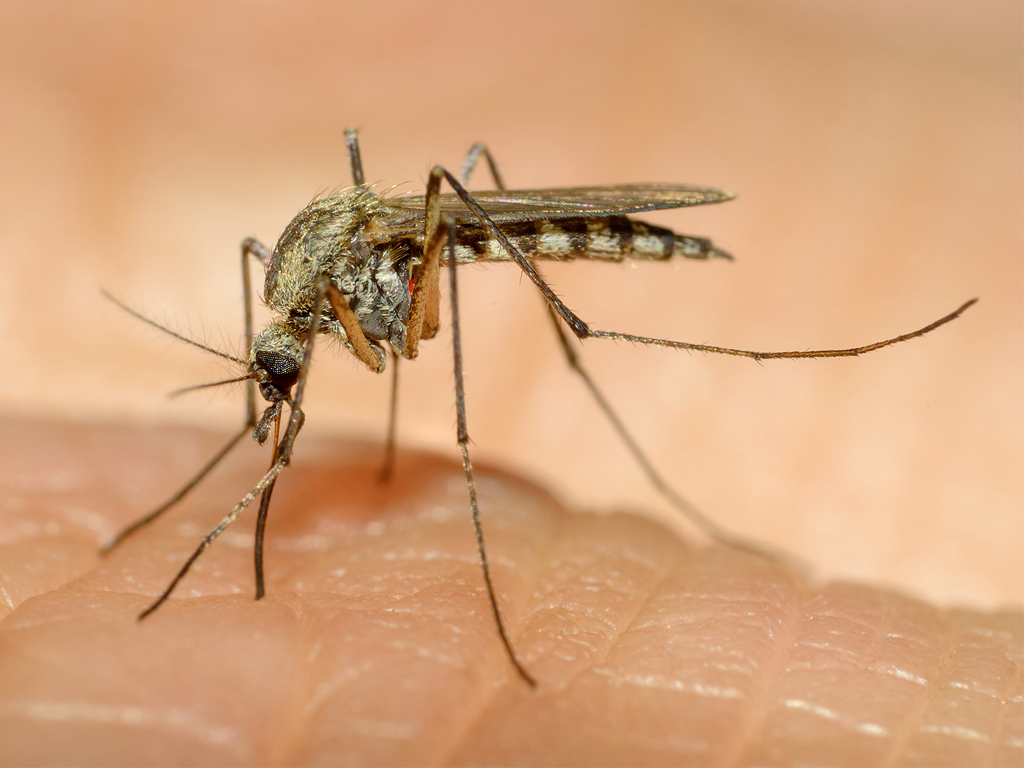 Chikungunya is a viral disease transmitted to humans by infected mosquitoes. It causes fever and severe joint pain. Other symptoms include muscle pain, headache, nausea, fatigue and rash. Joint pain is often debilitating and can vary in duration. Presence of Chikungunya virus in Karachi, Sindh, especially in the areas of Malir has been diagnosed by the medical professionals.
While investigations continue, it is important for the public and healthcare providers to know about the risks associated with all illnesses of epidemic potential. In case of Chikungunya, it is important to know that although there is serological evidence of a historical presence of the virus in Pakistan, there is at this time no evidence of any nested transmission of Chikungunya in the country. Joint statement issued by the World Health Organisation (WHO) and the Ministry of Health has also confirmed that no case of Chikungunya virus has been confirmed in Pakistan till date. Any information circulating with regard to confirmation of any case is incorrect and misleading, local media reported.
The disease shares some clinical signs with dengue, and can be misdiagnosed in areas where dengue is common. There is no cure for the disease yet. Treatment is focused on relieving the symptoms. The proximity of mosquito breeding sites to human habitation is a significant risk factor for chikungunya.
Prevention and Control
Prevention and control relies heavily on reducing the number of natural and artificial water-filled container habitats that support breeding of the mosquitoes.
During outbreaks, insecticides may be sprayed to kill flying mosquitoes, applied to surfaces in and around containers where the mosquitoes land, and used to treat water in containers to kill the immature larvae.
For protection during outbreaks of chikungunya, clothing which minimizes skin exposure to the day-biting vectors is advised.


















Comments
Comments are closed for this article.