


Lahore-based knitwear units are facing tough time and some of them are at the verge of collapse due to heavy loans burden and shrinking knitwear exports from Pakistan to the United States and European countries. According to precise estimates, 20 percent decline has been observed in the knitwear exports from Lahore-based units.
Industry sources told Business Recorder here on Monday that Pakistan's knitwear, particularly from Lahore-based units were no more economically viable and unable to compete even Bangladesh while China has emerged as a big exporter of the knitwear.
However, Karachi-based units are surviving by virtue of their strategy and making profit on the basis of high volume, the sources added. Contrary to this, the sources said, Lahore-based business community did not compromise on margins and that was why it was facing tough time. Moreover, luxurious style and high spending on decoration of offices has increased their cost.
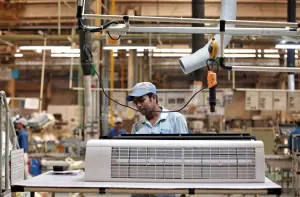
Another reason that made the knitwear units non-viable is combined facilities of cutting, dying, knitting, stitching etc under the same roof. On the other side, separate units are working for cutting, dying, knitting, stitching and other jobs required to prepare finished products in Karachi, which helped them survive even amid tough export competition, the sources pointed out.
The sources claimed that almost 50 percent prices of knitwear have declined abroad and a polo shirt, which was once exported at $5 per piece, was now fetching only $2.5. The downward trend of prices internationally has badly affected viability of the knitwear units, the sources said.
They added that Bangladesh presently surviving in the competition but China, which is still exporting under quota system, would rule the international market in the post-quota scenario after 2007.
Even, India is ahead of Pakistan in knitwear exports, which is due to low power tariff rates and other input cost. On the contrary, local manufacturing units are forced to pay high rates of electricity and taxes, which did not allow their products to compete internationally.
The indigenous products generated good margin to the exporters amid quota system. The sources further revealed that a delegation of exporters recently met with the Prime Minister to seek breathing time.
The delegation apprised the Prime Minister of problems faced by the industry and sought two-three years' time for the repayment of the industry loans.
When asked for comments, Federal Minister for Commerce Humayun Akhtar Khan said now the scenario had completely changed and only those countries would survive in exports, which would produce high volumes and export on low prices.

















Comments
Comments are closed for this article.