



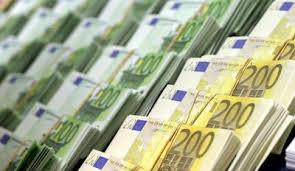
 LONDON: The euro hit a 6 1/2-month high and the yen reached a three-month peak against the dollar on Monday as investors dumped riskier assets and flocked to currencies seen as safe havens on fears about a slowdown in the Chinese and global economies.
The dollar index, which measures the greenback's performance against a basket of six major currencies, fell 0.9 percent to its lowest in two months as investors pushed back expectations of a rate hike by the Federal Reserve in September. The 10-year US Treasury yield fell to 2 percent, diminishing the dollar's allure.
The euro jumped to $1.1500, its highest level since February, in European trade.
It last stood at $1.1480, up 0.8 percent on the day, with its sustained rise in the past few weeks likely to cause unease within the European Central Bank.
The dollar dropped to 120.25 yen, down 1.3 percent to hit is lowest since mid-May.
European stocks opened more than 3 percent in the red after their Asian counterparts slumped to three-year lows as a rout in Chinese equities threatened to get out of hand. US stock futures also pointed to deep losses, highlighting the glum sentiment that has overtaken global markets since the Chinese devalued the yuan this month.
"The meltdown in stock markets and the sharp fall in US yields is unambiguously negative for dollar/yen," said Petr Krpata, currency strategist at ING. "As long as the current market environment persists, the chances of dollar/yen breaking below the psychological 120 level are increasing."
Worries about a slowing Chinese economy, and in turn global growth and deflation, engulfed markets after a run on weak economic indicators from China in recent weeks, including Friday's survey showing a further deterioration in China's manufacturing activity.
The growth and commodity-linked Australian dollar slid to six-year lows and many less-liquid emerging market currencies plunged on worries about foreign capital outflows.
Traders said while the weakness in the dollar index reflected doubts whether the Federal Reserve will be able to hike interest rates next month, without clear signals from the US central bank so far, many commodity and emerging market currencies would continue to struggle against the greenback.
That gave credence to a view that while the dollar was likely to struggle against major and more liquid currencies, it would rise against those in emerging markets.
"The market may now take the view that the Fed could refrain from hiking rates in September, given volatile equity markets and weak commodity prices," Morgan Stanley analysts said in a note.
"The Fed delaying rate hikes represents an easing of US monetary conditions.
But in light of global growth concerns, falling global trade and Asia's monetary and fiscal response remaining underwhelming, we think that risky markets will find it hard to recover currently."




















Comments
Comments are closed for this article.