



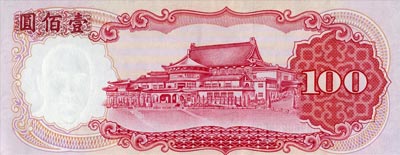
 SINGAPORE: Most emerging Asian currencies edged lower on Tuesday, pressured by the dollar's firm tone, with the Taiwan dollar touching a fresh four-year low due partly to US dollar buying by local importers.
The Malaysian ringgit slipped and came within sight of a five-year low of 3.5040 versus the dollar set earlier this month, retreating after oil prices fell the previous day.
Worries that lower oil prices may hurt the economic fundamentals of Malaysia, a net oil exporter, have added to the recent weakness of the ringgit.
The Taiwan dollar, which has been stuck at four-year lows this month, extended its recent losses and slipped to 31.669 versus the dollar, its lowest level since September 2010.
Pressuring the Taiwan dollar was demand by local oil importers for the US dollar. Some market participants, however, booked profits in long US dollar positions, helping to slow the Taiwan dollar's fall.
Worries that local exporters were losing competitiveness because of the weakness of the Japanese yen, which slid to a seven-year low against the US dollar earlier in December, have weighed on the Taiwan dollar recently.
The US dollar's broadly firm tone had an impact on emerging Asian currencies, market participants said.
"There is nothing on the horizon to challenge the idea of US dollar moving higher," a trader for a Malaysian bank in Kuala Lumpur said about the near-term outlook for Asian currencies.
Against a basket of major currencies, the greenback this week touched its highest level in nearly nine years, supported by market expectations the US Federal Reserve will raise interest rates sometime next year.
SINGAPORE DOLLAR
The Singapore dollar edged lower versus the US dollar , with the near-term focus on consumer inflation data for November due at 0500 GMT.
The data is expected to show that Singapore's year-on-year headline inflation rate turned negative for the first time in nearly five years, due partly to sliding oil prices.
A few economists see scope for Singapore's central bank to ease tight monetary policy to support economic growth.
However, most economists still expect the Monetary Authority of Singapore (MAS) to stick to its tight policy stance at its policy review in April as the labour market remains tight and core inflation is expected to stay relatively firm.
In October, the MAS maintained its policy of "modest and gradual" appreciation of the Singapore dollar and kept all related policy settings unchanged.

























Comments
Comments are closed for this article.