



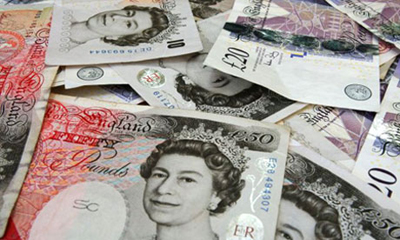
 LONDON: Sterling hit a 15-month low against the dollar on Friday after data showed US employers added the most jobs in nearly three years in November, the latest sign that the US recovery is gaining momentum.
Nonfarm payrolls surged by 321,000 last month, while unemployment held steady at a six-year low of 5.8 percent and wage gains picked up. That will put pressure on the US Federal Reserve, which targets employment as part of its mandate, to raise interest rates sooner rather than later.
The Fed has held overnight borrowing costs near zero since December 2008. Futures markets moved to point to a first rate hike in July after the data, having been pricing in a rise in September before it was released.
Sterling fell to $1.5571, its weakest since September 2013.
It last traded near $1.5584, down 0.6 percent on the day. "(The payrolls report) highlights the fact that US growth is much more robust than what we've seen in much of the rest of the world and this heightens the monetary policy divergence theme that's been driving the dollar broadly higher," said Alvin Tan, a currency strategist at Societe Generale. It has been a mixed week for UK data.
The services sector is expanding faster than expected but house prices are slowing and mortgage approvals are falling.
The Bank of England kept its benchmark interest rate unchanged at its historic low of 0.5 percent on Thursday and is now expected to keep it there until late next year or even 2016.
That offers no relief to sterling, which has fallen almost nine percent against the dollar since July as rate expectations have been pushed back.
"The Bank of England seems to be not really wanting to prepare the market for some kind of early tightening of policy so you're in this period of data dependency," said Paul Robson, a currency strategist at RBS.
Against the euro, sterling was up 0.2 percent at 78.86 pence.
The pound posted its biggest losses against the common currency in two weeks on Thursday after European Central Bank chief Mario Draghi disappointed expectations that he would give a clearer signal on quantitative easing.

























Comments
Comments are closed for this article.