


Yemen turning point for uprising

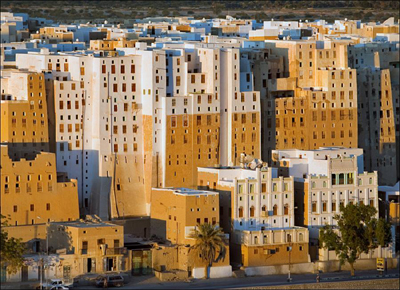 CAIRO: Many ordinary Arabs claimed another scalp on Sunday in their quest to oust the region's autocrats and dismissed the idea that Yemen's president would ever return to power after treatment in Saudi Arabia.
President Ali Abdullah Saleh, wounded in an attack on his palace in the Yemeni capital last week, underwent surgery to remove shrapnel on Sunday. A party official said he would return to Sanaa to resume his duties. Few believe he will.
"This signifies the fall of the third Arab authoritarian regime and will give a massive boost to those fighting in Syria and Libya," said 27-year-old Egyptian banker, Hussein Khalil, who was among protesters who brought down Egypt's president.
In January, Tunisia's Zine al-Abidine Ben Ali fled to Saudi Arabia after stepping down. About a month later, on Feb. 11, Egyptian President Hosni Mubarak quit amid protests. He vowed not to leave Egypt and now faces graft and murder charges.
Protests have spread, notably to Yemen, Syria, Libya and Bahrain, where other Arab rulers have been in power for decades. But protesters in these states have come up against rulers determined to hold on and ready to use military might.
Some now hope that could change.
"The departure of Saleh is a turning point not just for the Yemeni revolution but also is a huge push for the current changes in the Arab region and is the start of the real victory," said Zaki Bani Rusheid, a leading figure in Jordan's Muslim Brotherhood.
Saleh was wounded when shells struck his palace in Sanaa, killing seven people and wounding the president, the prime minister, his deputy and the parliament speaker. He left for Riyadh on Saturday to receive treatment.
"This is a face saving move to let him abandon power. Maybe he realised that in the next attack he will not be able to save his life," said Alfred Samaan, the head of Iraqi Writers Union.
Copyright Reuters, 2011





















Comments
Comments are closed for this article.