



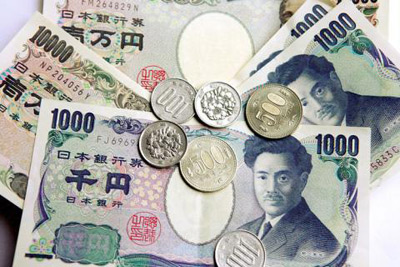
 TOKYO: The yen fell against the dollar in Asia Wednesday after ratings agency Standard & Poor's revised down the outlook on Japan's sovereign following last month's devastating quake, dealers said.
The dollar rose to 81.66 yen in Tokyo morning trading from 81.55 in New York late Tuesday. The euro gained to $1.4671 from 1.4636 and to 119.81 yen from 119.38 yen.
The yen was sold after S&P issued its warning over Japan's debt, saying it reflected "the potential for a downgrade if fiscal deterioration materially exceeds" is forecasts for the fiscal deficit to rise to 145 percent of GDP in the financial year ending March 31, 2014.
The agency said it affirmed its long-term sovereign credit rating at "AA-".
Meanwhile, the dollar was broadly under selling pressure against other major currencies as investors were bracing for a US Federal Reserve interest rate decision and remarks from its chief, dealers said.
At its Federal Open Market Committee meeting, the Fed is widely expected to maintain interest rates at between zero and 0.25 percent, where they have stood since December 2008 in a bid to support recovery from recession.
Market participants are closely watching Fed chairman Ben Bernanke's news conference later in the global day after the meeting.
"The market is broadly tilted to dollar selling," ahead of the FOMC, said Sumino Kamei, senior analyst at the Bank of Tokyo-Mitsubishi UFJ.
Kamei said the focus is on whether Bernanke would make any remarks about measures to follow the current quantitative easing programme, which the Fed is expected to finish in June as scheduled.
Masafumi Yamamoto, chief FX strategist at Barclays Bank in Japan, told Dow Jones Newswires that positions to bet the dollar and US bond yields to fall "have been accumulated... lately as bullish expectations recede, factoring in his dovish remarks."
The Australian dollar climbed to a 29-year high $1.0851, helped in part by Australia's stronger-than-expected inflation data announced in the morning.
The consumer price index gained 1.6 percent in the first quarter of 2011 from the fourth quarter of 2010 and was up 3.3 percent from a year earlier.
"It's unclear at the moment if the RBA (Reserve Bank of Australia) is going to raise rates in May," said Daisaku Ueno, chief analyst at Gaitame.Com Research Institute.
"But it (the data) has certainly raised expectations that the RBA is going to resume raising interest rates" soon following a period of monitoring economic data after massive floods over the summer, Ueno said.


















Comments
Comments are closed for this article.