


Oil prices fall; slow progress in trade talks counters OPEC cuts

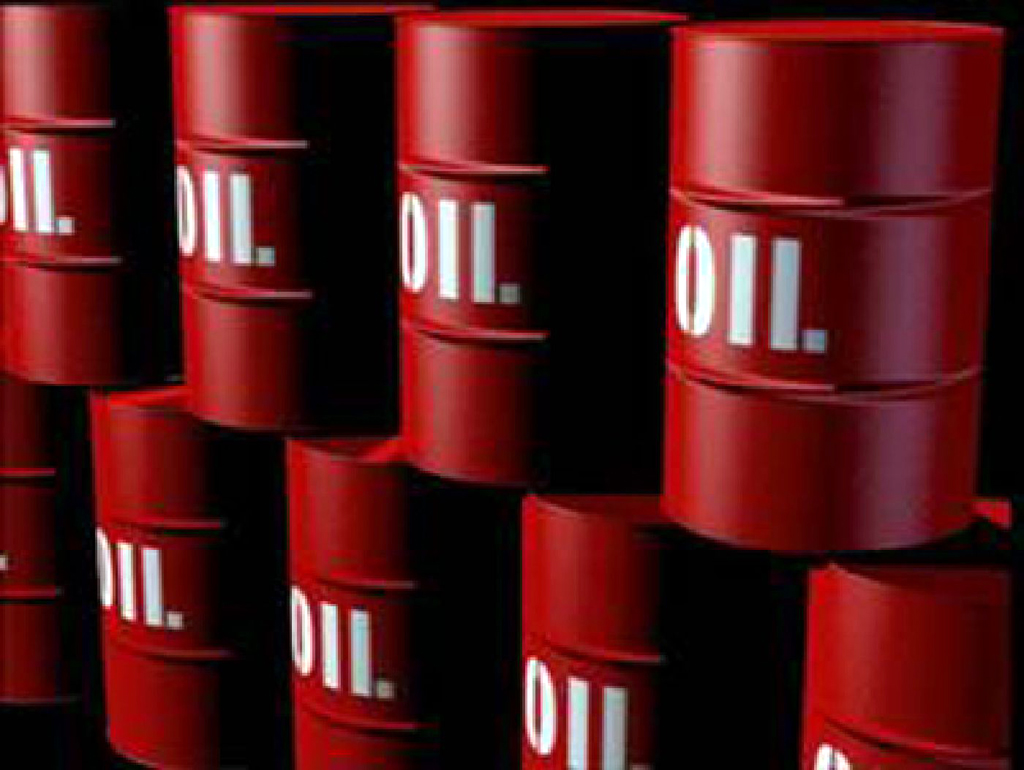
NEW YORK: Oil prices fell about $1 a barrel on Monday as worries surrounding the resumption of U.S.-China trade talks overshadowed support from OPEC-led supply restraint.
Brent crude futures lost $1.04, or 1.7 percent to $61.06 a barrel by 11:22 a.m. EST (1622 GMT).
U.S. West Texas Intermediate (WTI) crude fell $1.33, or 2.5 percent, to $51.39 a barrel.
Trade talks between the United States and China resumed with working level discussions before high-level discussions later in the week.
While Beijing struck an upbeat note, it also expressed anger at a U.S. Navy mission through the disputed South China Sea. This cast a shadow as the two countries try to reach a deal before the March 1 deadline when U.S. tariffs on $200 billion worth of Chinese imports are scheduled to increase to 25 percent from 10 percent.
On Thursday, U.S. President Donald Trump said he did not plan to meet with Chinese President Xi Jinping before the March 1 deadline, dampening hopes of a quick trade pact.
Escalating U.S.-China trade tensions have cost both countries billions of dollars and disrupted global trade and business flows, roiling financial markets.
"There's a lot of uncertainty about what's going on with this trade war, whether they're going to get anything done," said Phil Flynn, oil analyst at Price Futures Group in Chicago. "You've got concerns about slowing growth."
Still, oil prices have been buoyed this year by output curbs from the Organization of the Petroleum Exporting Countries and its allies, including Russia, a group known as OPEC+.
The deal, effective from January, aims to cut 1.2 million barrels per day until the end of June to forestall an supply overhang. Suhail Al Mazrouei, the Energy Minister of the United Arab Emirates, said on Monday the oil market should achieve this balance in the first quarter of 2019.
OPEC and its allies meet on April 17 and 18 in Vienna to review the agreement, but a draft cooperation charter seen by Reuters fell short of a new formal alliance among the producers.
U.S. sanctions on Venezuela, along with older sanctions on fellow OPEC member Iran, have also prevented crude prices from falling further.
Venezuela President Nicolas Maduro has sought OPEC support against the sanctions, citing their impact on oil prices and potential risks for other members of the producer group.






















Comments
Comments are closed for this article.