


Pakistan banks’ credit to private sector in ratio of GDP declines over past three decades
- Jameel Ahmad asks banks to reorient their business models towards stronger retail deposit mobilisation and greater private-sector financing
Pakistan's central bank governor urged commercial banks to boost private sector lending and retail deposits, noting current levels are low compared to peer economies despite overall banking sector resilience and economic stabilization.
- Low private sector credit-to-GDP ratio in Pakistan.
- Banks' critical role in sustainable economic growth.
- Pakistan's banking sector resilience and strong profitability.
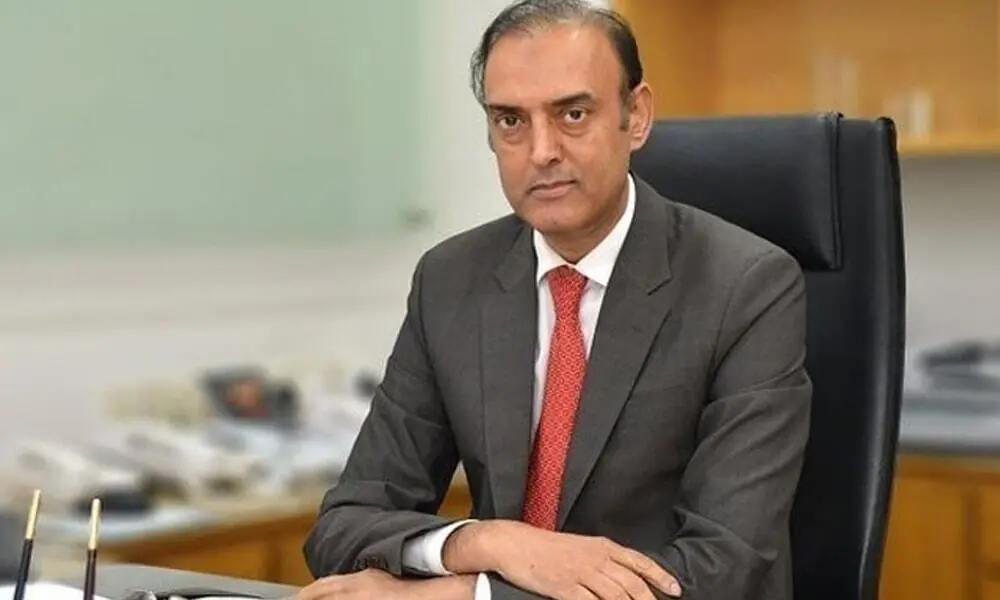
State Bank of Pakistan (SBP) Governor Jameel Ahmad has noted that commercial banks’ lending to the private sector remains well below levels seen in peer economies in the emerging markets, while the private sector credit-to-GDP ratio declined significantly over the past three decades in the country.
“The government’s budgetary financing needs were not the only explanation for this trend [low private sector credit], as several emerging economies with higher government domestic debt have significantly higher private-sector credit-to-GDP ratios,” the central bank chief said while speaking at the 11th Pakistan Banking Awards 2026 on Friday.
He asked banks to reorient their business models towards stronger retail deposit mobilisation and greater private-sector financing, emphasising that the banking sector has a critical role to play in supporting Pakistan’s next phase of sustainable economic growth.
“Policymakers had achieved the difficult task of stabilising the economy. However, stabilisation alone was not sufficient to put Pakistan on a path of high and sustainable growth. The banking sector has a particularly important role to play in this next phase.”
Highlighting the resilience of the banking industry, the SBP governor noted that banks’ total assets reached Rs69 trillion, while deposits stood at Rs43 trillion at the end of June 2026.
“Profitability remained strong and banks’ Capital Adequacy Ratio continued to remain comfortably above both international benchmarks and domestic regulatory requirements,” he said.
Despite substantial growth, the SBP governor added, banking-sector assets and deposits remain relatively low as a share of GDP compared with other emerging markets, while “Pakistan’s currency [in circulation]-to-deposit ratio remains elevated. There was considerable room to further reduce reliance on cash and strengthen the deposit base”.
He further said Pakistan’s economy had demonstrated resilience despite a challenging FY26 marked by domestic and external shocks, including severe floods, geopolitical tensions and an uncertain global trade environment.
Ahmad noted that inflation averaged close to the medium-term target range, inflation expectations remained broadly anchored, and the current account deficit stayed close to the lower bound of the projected range.
Foreign exchange reserves also continued their upward trajectory, comfortably exceeding the end-June target of $18 billion, with the quality of reserve accumulation improving as the increase was driven mainly by SBP’s foreign exchange purchases rather than debt-driven accumulation, he said.

























Comments