


Oversight of public finances
The US State Department urged Pakistan to enhance fiscal transparency through public budget access, detailed debt information, and parliamentary oversight of military spending, despite Pakistan's claims of adhering to international best practices.
- US State Department recommendations for Pakistan's fiscal transparency.
- Pakistan's claims of international best practices and IMF program.
- Challenges in parliamentary oversight and budget implementation.
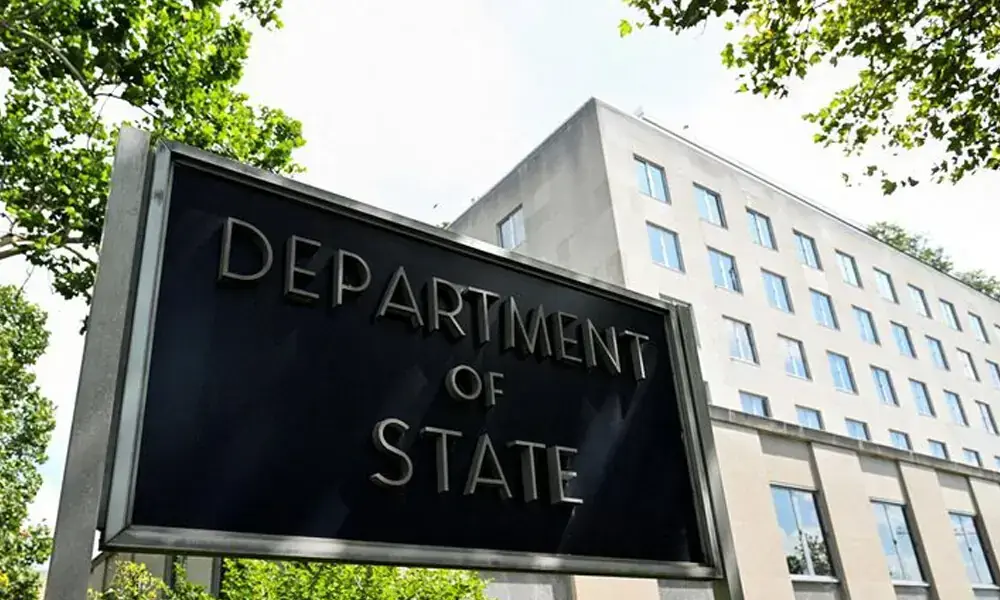
EDITORIAL: The US State Department in its annual Fiscal Transparency Report for the year concluded that there was a need to strengthen Pakistan’s parliamentary oversight of public finances, highlighting three principal steps that would improve fiscal transparency: (i) making budget proposals publicly available; (ii) detailed information on government debt obligations, including those of state owned entities; and (iii) subjecting the budget of military and intelligence agencies to parliamentary oversight.
The Foreign Office promptly responded to these observations by insisting that Pakistan adhered to internationally established best practices in respect of fiscal transparency, budgeting process and financial disclosures and that the country is currently on an International Monetary Fund (IMF) programme designed to focus on “structural reform, and improving financial management.”
The budget documents are routinely uploaded on the Ministry of Finance website on the day the budget is announced in parliament, usually three weeks prior to the close of the fiscal year on 30 June. It itemises all outlays, including military, and a medium-term debt strategy paper. In effect, the budget contains details of allocations though, in recent years, the source of revenue (particularly its rise under some specific heads) is noted in absolute terms rather than detailed as was the Federal Board of Revenue’s (FBR’s) practice in the past. The budget once tabled is then sent to the finance committees of the two houses where discussions lead to compilation of amendments/recommendations that may or may not be acceptable to the government.
As per officials of the Ministry of Finance, their ability to change major budgetary recipients is severely limited, particularly with reference to the debt-servicing costs, defence (given the ongoing terror threats in the country), and pensions (with the taxpayers funding the pensions of state employees), which cumulatively constitute 70 percent of the country’s total current expenditure and 67 percent of total expenditure for 2026-27. Running of civilian government, and subsidies based largely on the flawed policy to ensure tariff equalization throughout the country explains why the Benazir Income Support Programme (BISP) is severely limited – no more than 4 to 5 percent of total outlay; however, it needs pointing out that even BISP allocation is now a condition for the IMF loan, as the government was compelled to raise allocations per beneficiary, with the ever-present threat of delay in reaching a staff level agreement that would suspend the tranche release.
However, as in the case of most laws enacted by parliament in Pakistan based on best international practices there is many a slip between approval and implementation. In the case of the budget two major persistent issues have been raised by Business Recorder. First and foremost, the revenue generation budgeted target has been too optimistic, with IMF concurrence, and is cited as a major reason for the sustained failure of the country to reach the regional average growth rate. And secondly, our parliamentarians remain almost indifferent to allocations and revenue in the budget with little or no debate, other than those that would impact on the pressure groups.
The budget for 2026-27 is the most elitist budget in the country’s history with respect to not only allocations but source of revenue and the parliamentarians’ indifference to these measures is now taken disturbingly as the norm. Unless this changes fiscal transparency will remain a pipedream.
Copyright Business Recorder, 2026


























Comments