


Palm hits 4-1/2 month high on El Nino risk
- Dalian Commodity Exchange’s most-active soyoil contract rose 0.72%
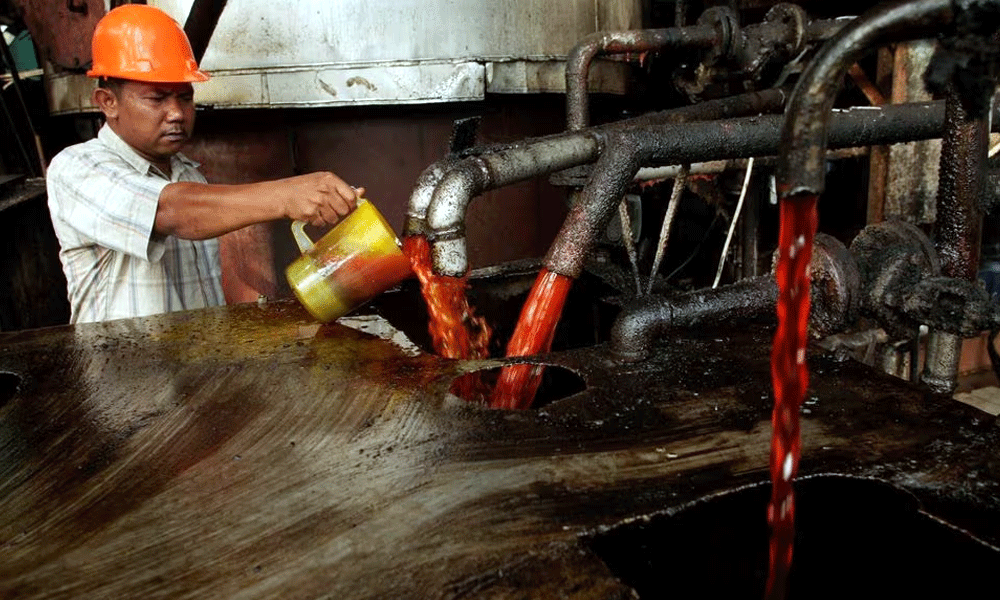

KUALA LUMPUR: Malaysian palm oil futures ended at a four-and-a-half-month high on Monday, as traders looked past near-term consolidation to price in the risk of an El Nino-driven output disruption next year.
The benchmark palm oil contract for November delivery on the Bursa Malaysia Derivatives Exchange inched up 0.25% at 4,819 ringgit ($1,187.53) a metric ton, the highest closing price since April 3. The contract fell 0.3% in the previous session.
The crude palm oil futures market remained in contango, with far-month contracts, particularly the February to May 2027 tranche, trading above 5,000 ringgit on Monday, a Kuala Lumpur based trader said.
“The firm pricing in the forward months suggests that some market participants are positioning for potential supply tightness in 2027, amid expectations that an El Nino-related weather pattern could weigh on palm oil production,” the traded said.
The Dalian Commodity Exchange’s most-active soyoil contract rose 0.72%, while its palm oil contract added 0.73%. Soyoil prices on the Chicago Board of Trade were up 0.9%.
Palm oil tracks the price movements of rival edible oils, as it competes for a share of the global vegetable oils market.
Oil prices were mixed amid a lack of progress in diplomatic efforts to resolve Middle East tensions, though the absence of major supply outages limited gains.
Stronger crude oil futures make palm a more attractive option for biodiesel feedstock.
The ringgit, palm’s currency of trade, strengthened 0.64% against the dollar, making the commodity slightly more expensive for buyers holding foreign currencies.
Cargo surveyor Intertek Testing Services estimated that exports of Malaysian palm oil products for August 1-15 fell 7.9% from a month earlier, while AmSpec Agri Malaysia reported that exports rose 3.2%.
Indonesian President Prabowo Subianto announced a plan to create a new exchange that will set prices for the country’s strategic commodities by the start of next year, in a fresh gambit to leverage the country’s vast natural resources to boost growth.


























Comments