


Dollar eases from 13-month high after data burst
- On a month-over-month basis, the PCE index increased 0.4%, just below the 0.5% estimate
The dollar declined after US inflation data matched expectations, slightly easing Federal Reserve rate hike bets despite strong consumer spending and revised GDP growth.
- US inflation and consumer spending data.
- Federal Reserve rate hike probabilities.
- Global currency market fluctuations.
- Bank of Japan's monetary policy outlook.
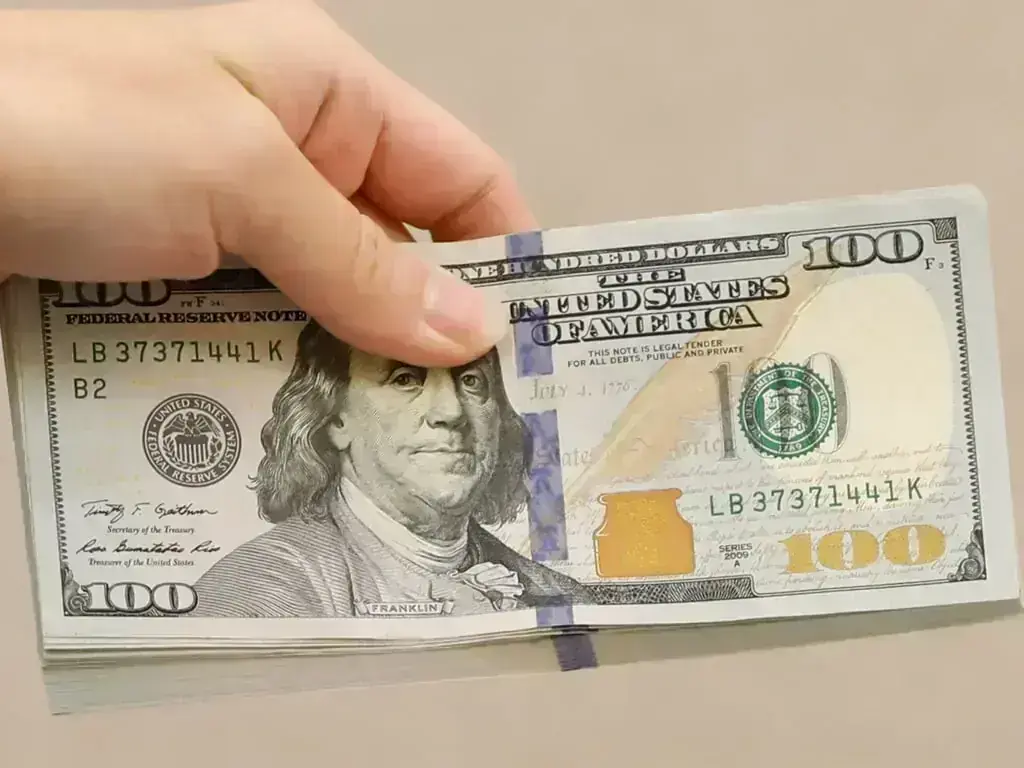

NEW YORK: The dollar was on track to snap a three-session streak of gains on Thursday, after a flurry of U.S. economic data that included a reading on inflation slightly dented expectations for rate hikes from the Federal Reserve this year.
The Commerce Department said the personal consumption expenditures price index (PCE) surged 4.1% in the 12 months through May for the largest increase and first reading above 4.0% since April 2023, but matched expectations of economists polled by Reuters.
On a month-over-month basis, the PCE index increased 0.4%, just below the 0.5% estimate.
Even with the elevated inflation, consumer spending was unfazed, rising 0.7% in May, up from 0.4% in April and above the 0.6% estimate.
“The worst of inflation and consumer angst may be mostly behind us,” said Brian Jacobsen, chief economist at Annex Wealth Management in Menomonee Falls, Wisconsin.
“Inflation expectations are tied more to the price at the pump than the price of microchips and memory. As long as gasoline prices trend lower, inflation expectations will likely follow suit.”
The dollar index, which measures the greenback against a basket of currencies, fell 0.18% to 101.43, with the euro up 0.08% at $1.1366. The greenback had risen in the past three sessions and five of the prior six as expectations for rate hikes from the Fed this year had grown, touching 13-month peak on Wednesday.
Dollar strength has pushed gold briefly below $4,000 an ounce for the first time in more than seven months and sent bitcoin under $60,000 for the first time since 2024.
Markets are now pricing in a roughly 30% chance for a hike of at least 25 basis points at the central bank’s July meeting, down from 34.2% in the prior session, according to CME FedWatch. For the September meeting, expectations for a hike dipped to 62.1% from 65.7% on Wednesday.
GDP revised up, jobless claims drop
Other data from the Commerce Department showed gross domestic product increased at an upwardly revised 2.1% annualized rate in the first quarter, up from the previously reported 1.6% pace, while consumer spending growth was cut to a 0.5% rate from the prior 1.4%.
Data from the Labor Department showed weekly initial jobless claims fell by 12,000 to a seasonally adjusted 215,000, below the 225,000 forecast.
Sterling strengthened 0.23% to $1.3194, putting it on track to snap consecutive declines in the wake of the resignation of Prime Minister Keir Starmer on Monday.
Against the Japanese yen, the dollar strengthened 0.01% to 161.79. A break above 161.96 would leave the yen at its weakest level since 1986.
The Bank of Japan should raise interest rates once every few months and stand ready to speed up the pace of hikes, hawkish board member Naoki Tamura said, highlighting the bank’s focus on inflationary risks from the Middle East conflict.
Japan’s government will call for monetary policy that bolsters private demand, a draft of its long-term economic blueprint reviewed by Reuters showed, signaling a preference for keeping borrowing costs low and setting up potential policy tensions with the central bank.
Analysts at Societe Generale said they “believe markets should look through the announcement at this stage, although fiscal risks are being delayed rather than eliminated and are likely to become a more important theme over time.”























Comments