


India clears way for self-driving, safety car tech to reduce road deaths
- The government waives licence requirements for radar sensors in the 77 GHz to 81 GHz frequency band
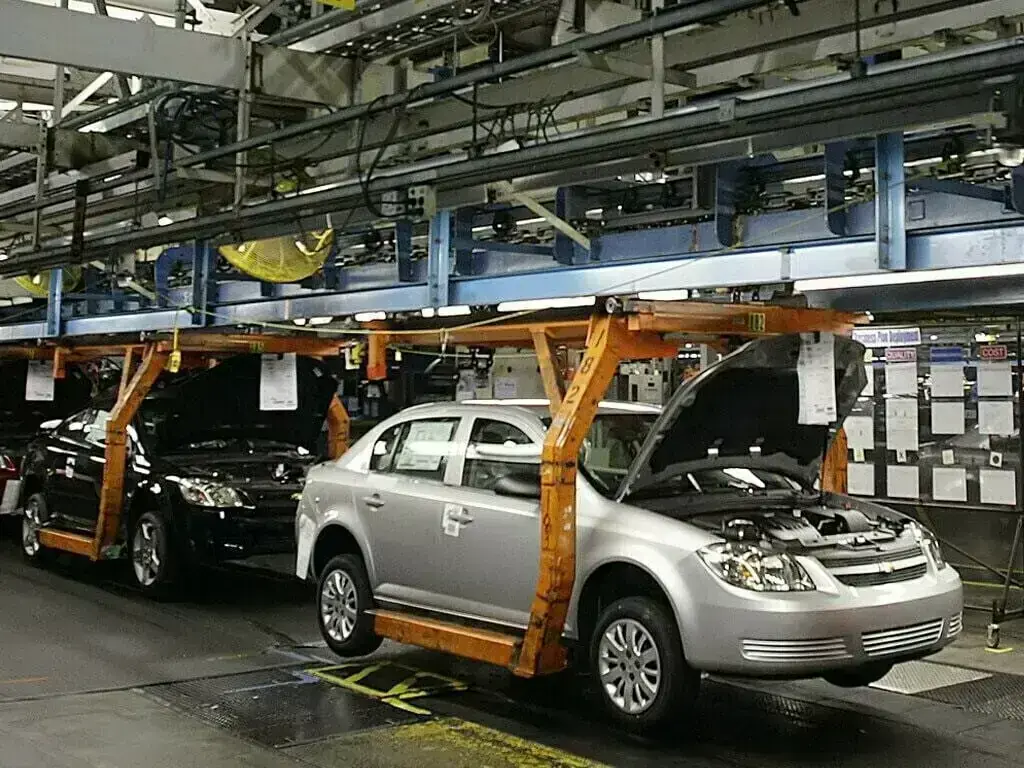

BENGALURU: India has scrapped licensing requirements for radio spectrum used by crash-avoidance and self-driving systems in cars, removing a commercial barrier for automakers as it seeks to make some of the world’s deadliest roads safer.
India, the world’s third largest car market, reported more than 177,000 deaths in nearly half a million road accidents in 2024, latest government data show.
In notices on Thursday, the government waived licence requirements for radar sensors in the 77GHz to 81 GHz frequency band, allowing companies to use the spectrum without separate allocation by authorities.
A separate notice did the same for systems in the 5.9 GHz band, which enable vehicles to communicate with each other and roadside infrastructure.
Tesla launches new six-seater Model Y in India in attempt to boost tepid sales
India aligns with global standards
The move aligns India with standards used in the U.S. and the European Union, allowing carmakers to deploy standardised, off-the-shelf hardware rather than build costlier local versions, lowering costs and speeding adoption.
Luxury carmakers Mercedes-Benz and BMW, which already offer radar-based driver assistance abroad, can roll out the same systems in India.
Domestic players Maruti Suzuki, Tata Motors and Mahindra & Mahindra could more easily introduce advanced driver-assistance systems (ADAS), pushing premium safety features into cheaper models.
Suppliers such as Germany’s Bosch and Continental, and chipmaker Qualcomm, also stand to benefit.
India’s Maruti Suzuki warns of price hikes as Gulf war raises costs
Radar sensors help gauge safe distances and enable features such as emergency braking, adaptive cruise control and blind-spot warnings, forming a foundation for autonomous driving.
Vehicle-to-everything (V2X) systems warn drivers of hazards beyond their line of sight, such as a car braking around a blind curve or an approaching ambulance.
A 2023 government panel said most traffic problems occur in such situations. “Most sensors do not work well in these scenarios and V2X fills the gap,” it said.
The panel also recommended adding V2X to India’s voluntary Bharat NCAP safety ratings, which assess crash performance rather than mandate specific features.
On India’s crowded roads, drivers often face hazards ranging from cattle to pedestrians, while lane discipline and speed limits are widely flouted and weakly enforced.
























Comments