


Two faces of Colombo: paradise and the power of nature
- What began as a family meetup soon became something much more meaningful
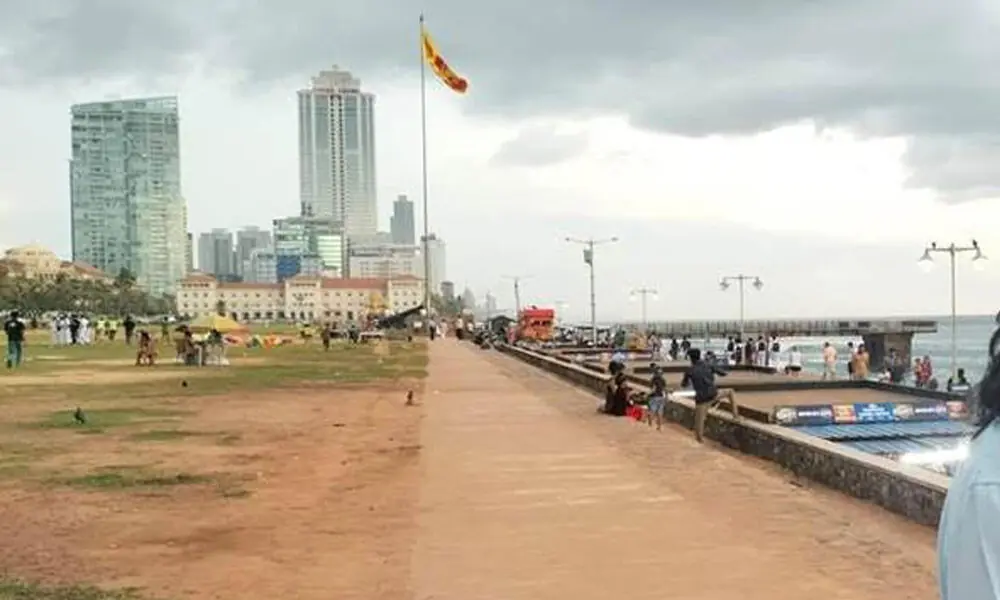

Travel often changes us in quiet ways. Sometimes it happens slowly over days. Sometimes it happens the moment your feet touch new ground. For us, that moment came in Colombo, Sri Lanka, in November 2025.
We had travelled for a two-week family meetup, with our departure scheduled for November 28, 2025. But what began as a family visit soon became something much more meaningful. The morning we stepped out of Bandaranaike International Airport on November 17, around 6 AM, we felt something shift in the way we saw life. Walking onto a new land always carries excitement, but Colombo felt different: majestic hill areas, natural beauty all around, clean air, clean roads, greenery, and the warmth of people. It was mesmerizing from the very first glance.
We found ourselves focusing on the most important parts of life. The joy of seeing an island nation, its stunning landscapes, spectacular coastlines, river views, boat tours, and wildlife watching exceeded our expectations. The culture, traditions, and civilization we had only read about or watched in documentaries were now happening in real time around us.
We stayed at the Trillium Banquet City Hotel in Colombo, about a 40-45 minute drive from the airport. Even that drive became part of the experience. The city was already alive with morning commuters. Many people walked to work. Tuk-tuks, school buses, motorcycles, and public transport filled the roads. Yet the roads were clean! Not a single garbage mound anywhere. Our driver was welcoming and friendly. He spoke about cricket proudly, mentioning Sri Lanka’s matches abroad and those at present happening in Pakistan. As we drove, we kept asking questions about Colombo, its famous places, its people, and its humid climate.
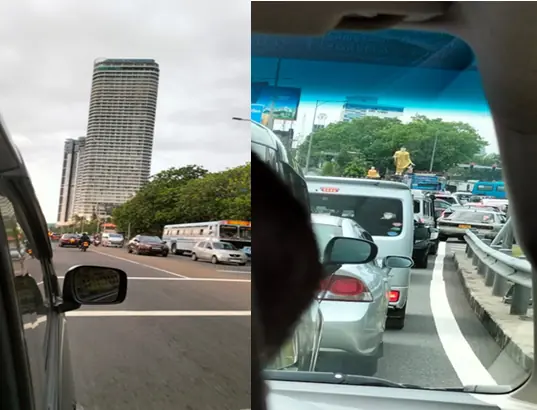
Colombo is the largest city of Sri Lanka. It is a gateway to the country’s identity. It is political, cultural, and financial all at once. We could imagine why tourists rush here with its bustling markets, temples, floating markets, colonial architecture, and modern city life all existing side by side.
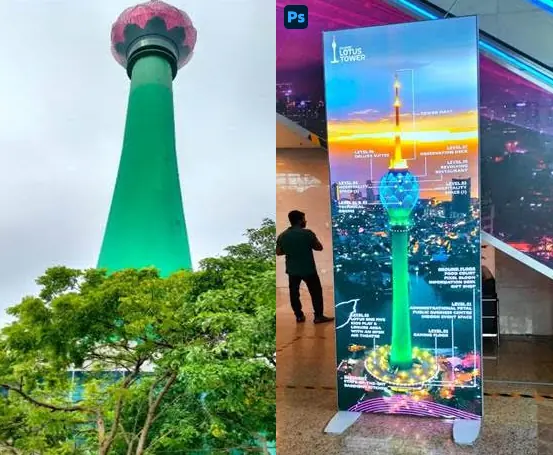
The Colombo Lotus Tower stood near Beira Lake, dominating the skyline. The 29-storey tower, standing over 351 meters tall, offers city views, digital art displays, and a revolving restaurant. The observation deck was expensive for tourists about 20 USD! Locals paid around 3 USD. It was a small reminder of how tourism economies work.
Beira Lake itself is a man-made lake in the centre of the city, surrounded by major businesses, yet calm and peaceful, with boat rides available. Nearby, Bolgoda Lake offered a completely different feeling. It is Sri Lanka’s largest freshwater lagoon, full of birdlife, water sports, and peaceful island spots outside the busy city.
The World Trade Center Colombo stood as a symbol of economic strength housing financial institutions, broadcasting companies, and major corporate offices. Galle Face Green quickly became one of our favorite places. It is Colombo’s oceanfront walkway where visitors gather to watch sunsets. Across the street, One Galle Face Mall showed the modern side of Colombo with its global brands, restaurants, cinema, play areas, spas, and entertainment spaces. The only thing we missed as tourists was the facility of currency exchange in the building.
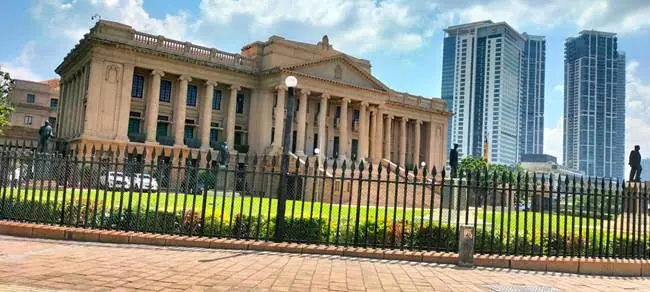
Vihara Maha Devi Park, built during the British colonial era, offered walking tracks, fountains, sculptures, and green open space. Nearby, Town Hall stood as the headquarters of Colombo Municipal Council. The Colombo National Museum, built in 1877, displayed thousands of artifacts, royal objects, paintings, and historical treasures. Gangaramaya Temple, located near Beira Lake, blended modern architecture with deep cultural and religious history. It showed how Colombo balances past and present.
But beyond buildings and landmarks, what truly defined Colombo was the behaviour of people.
Drivers slowed down during rain to avoid splashing pedestrians. A tuk-tuk driver refused extra fare after making a wrong turn, and hotel support staff declined to take a tip as token of thanks. Strangers helped us book rides and food through local apps. These moments were small but meaningful. The honesty, politeness, and kindness was natural and genuine.
By the time our trip neared its end, Colombo felt like more than a tourist city. It felt like a place built on human warmth.
And everything changed.
Our departure was planned for November 28, 2025. Our sister’s flight to London was scheduled earlier on November 27. However, later, we came to know that her flight was delayed 3 hours due to heavy rain. It had been raining heavily all night, but we did not follow news or weather updates because we wanted to enjoy our last moments together. We enjoyed our talks and home cinema, watching the Pakistani movie “The Legend of Maula Jatt” and Yannis Chryssomallis, Greek pianist’s live “Tribute” concert “Waltz in 7/8”, digitally remastered and restored on YouTube.
Unfortunately, that left us unaware of what was coming.
Flights began getting delayed. Rain continued constantly. We assumed it was normal seasonal rain. Our sister received notification of a flight delay and rescheduled for November 28. So, our flights were departing on the same date. We packed our baggage and planned to leave early.
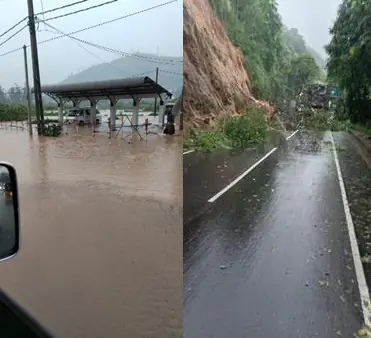
At that time, everything seemed manageable.
But soon, reality changed.
Ride services stopped working. Roads flooded. The hotel reception helped arrange a ride at a higher fare. We left for the airport at midnight in heavy rain, hoping to avoid delays.
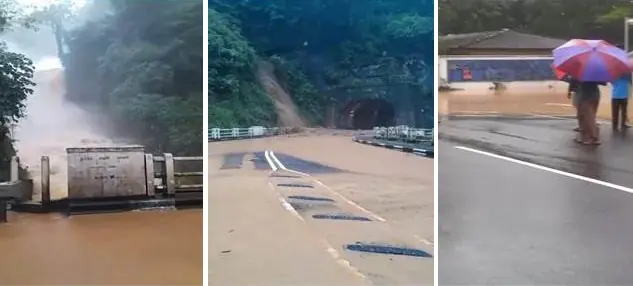
During the drive, we saw floodwater covering roads. Some localities were underwater. People were being rescued by boats. Even highways were flooded with river overflow. Some roads were blocked by landslides. Others were blocked by fallen trees. However, the google map helped us reached the airport.
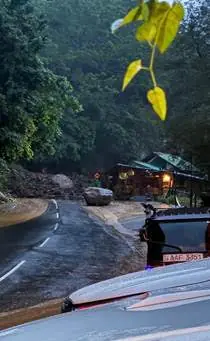
Only later did we realize that the continuous rain had transformed into Cyclone Ditwah, triggering a major climate disaster across Sri Lanka.
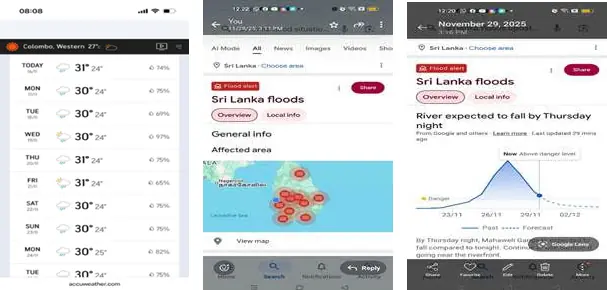
There was no turning back. The airport was our only destination.
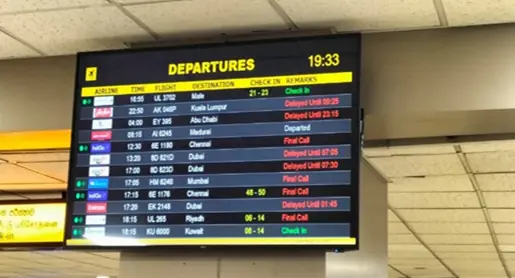
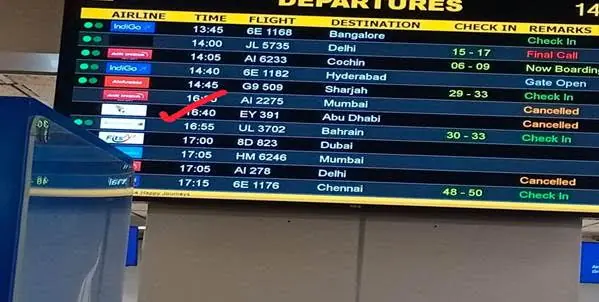
At the airport, chaos replaced routine travel. Nine flights were cancelled.
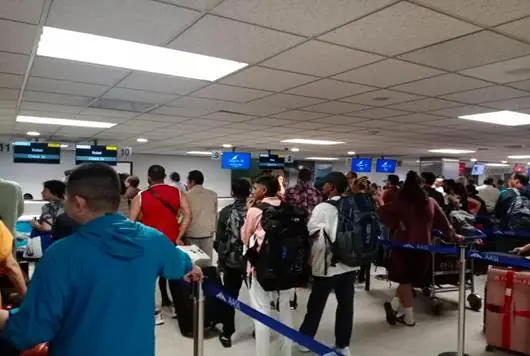
Long queues formed everywhere. Panic and anxiety spread. Flights were delayed or cancelled. Many passengers refused to return to hotels because floodwater had already reached residential areas. Electricity and internet services were failing across parts of the country.
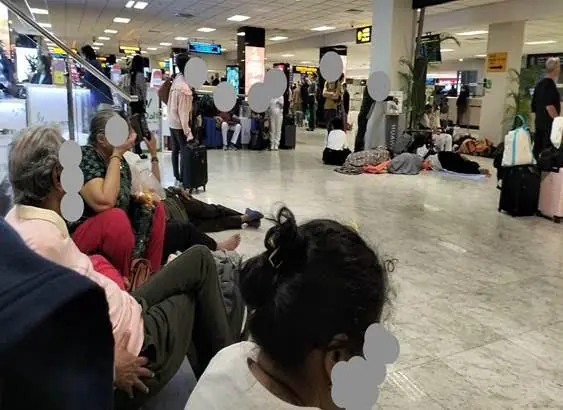
The airport quickly became overcrowded. Seating was limited. Many passengers slept on floors or sat on baggage trolleys. Charging points were scarce. Food options were limited and highly expensive. We had chocolates to live on.
Across Sri Lanka, floods and landslides destroyed homes, damaged bridges, disrupted railways, and damaged power grids. Communication networks were affected. A state of emergency was declared. It was the worst cyclone since 1978.
Hours turned into days.
Airlines kept changing plans. First promising flights, then suggesting passenger splitting, then warning only some passengers might get seats if weather improved.
Panic and anger increased among passengers, but many like us still held onto hope.
We stayed connected with fellow passengers, sharing updates and supporting each other. Emotional strength from family, especially our elder brother, helped us stay calm and focused.
It was November 30, 05:35 AM. We were all standing, with no food, no sleep, and no sitting for longer than a few minutes.
Finally, airline staff mentioned possible arrangements for a larger aircraft. They mentioned they managed to accommodate 85 percent of passengers, and the remaining 15 percent will have to leave the airport, stay in their hotels, and wait for the airline’s email for their flight arrangements.
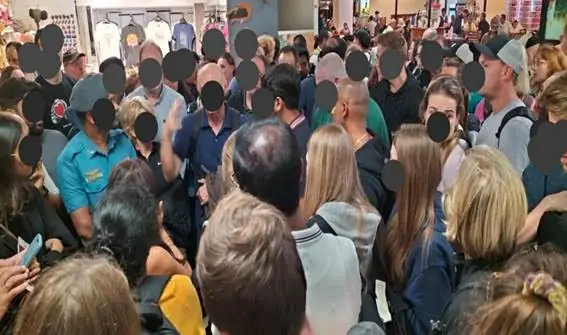
Then suddenly, passengers rushed toward Gate 4. There was confusion, no clear flight announcements, but Hope pushed everyone forward.
It was time to check in. Some passengers were turned away, crying because their flight numbers did not match. Everyone started enquiring about each other’s flight numbers. The atmosphere turned into chaos and confusion. We left the queue and stood at the end.
The stress level was high. Our flight number was also different. We feared we would be among those 15 percent. The fear was that almost all passengers were from First World countries, and management would accommodate them with priority over us from the Third World.
We did not lose hope and put our best efforts into coordinating with the airline staff, and emailed the scenario to the airlines, in the hope that any of the efforts could work for us. We returned to the queue with the thought that we would humbly request them to accommodate us, too.
What…? What just happened…!
We were in God’s hands, indeed. Surrounded by His Grace and love. Sometimes, natural forces are working around you.
Optimism is not a skill; it’s a belief in God and confidence in your capabilities.
Unexpectedly, we received an updated flight email.
It was astonishing to see the email from the airline with the updated flight, just a few minutes before stepping onto the airplane.
Carefully, we followed instructions, though there was the fear of security check staff, convinced that the updated flight email matched the flight number, even with the boarding pass of a different flight number.
Amazed…
The security staff asked for a boarding pass, we showed them the updated flight email, and they let us into the boarding lounge. There was another security check who was checking the boarding pass.
It was the end…we played all our cards. Either the security staff will ask us to leave the boarding lounge or treat us harshly. Instead, they collected our boarding passes, tore them, and issued us new ones with the updated flight number.
It felt like a miracle!
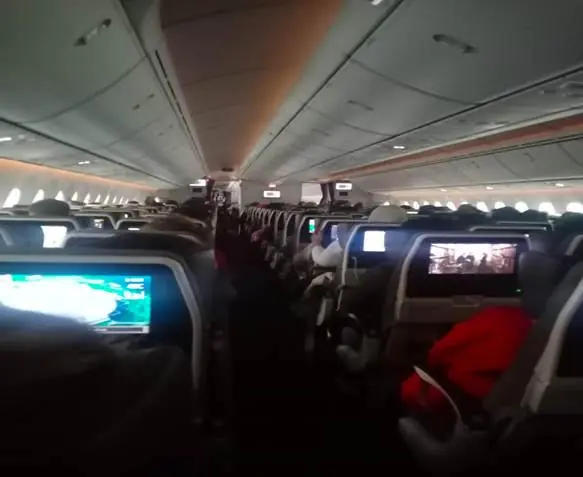
Landing safely later felt like waking from a storm nightmare. When we reached home, exhaustion became visible. So many days with little to no food, water, or sleep had taken their toll.
But we made it, we were safe. That was everything.
This experience taught us self-confidence, teamwork, and decision-making under pressure.
If we think back, Colombo was a wonderful family trip filled with sightseeing, culture, and warmth. But it also became a powerful life lesson about survival, gratitude, and human strength.
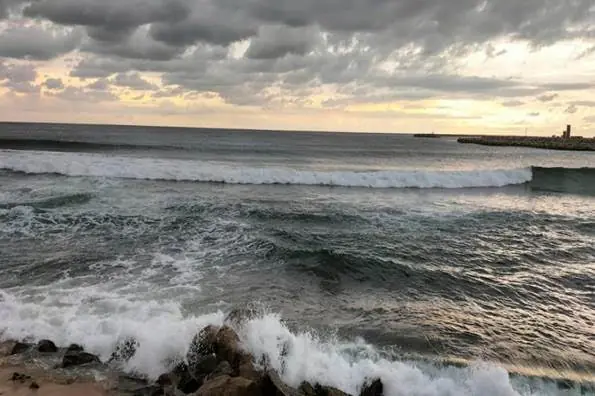
Colombo will always remain two memories for us: A city of beauty, culture, and kindness. And a place where we learnt survival, courage, and faith. Both are true.
Both are unforgettable.
The article does not necessarily reflect the opinion of Business Recorder or its owners
Travel Recorder is part of Business Recorder’s series in which we publish individual accounts that are insightful and offer value to our readers. If you wish to contribute to this series, email [email protected] with the subject ‘Travel Recorder’


























Comments