


Africa faces 86mn tonne fuel shortfall by 2040: AFC
- The region also faces shortages of fertiliser due to the war, since a high proportion comes from the Gulf
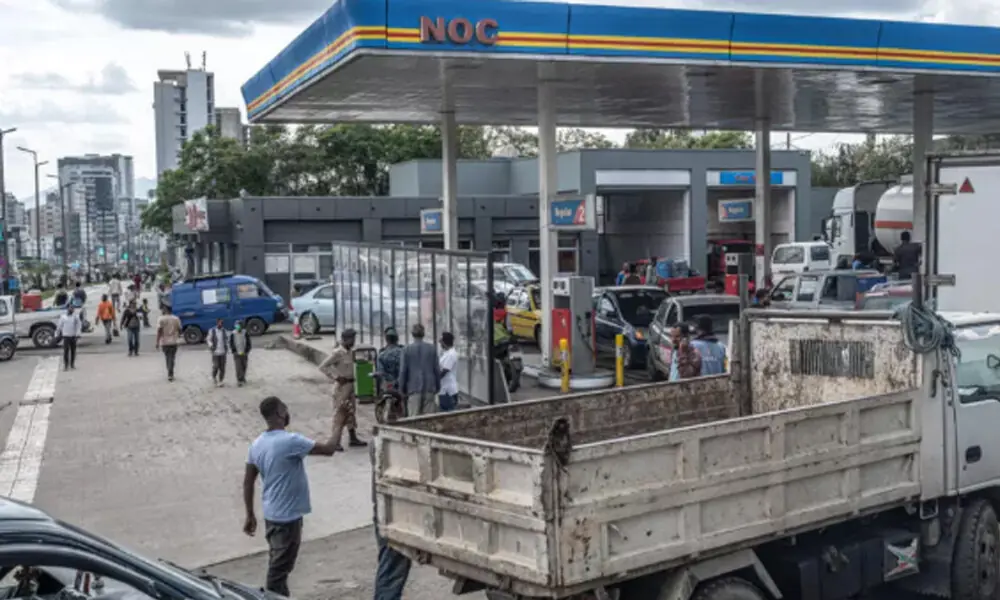

NAIROBI: The Iran war has exposed Africa’s vulnerability to fuel chokepoints and is heading for a 86 million tonne fuel shortfall by 2040, the Africa Finance Corporation (AFC) said Thursday.
Africa imports over 70 percent of its refined fuel and some $230 billion worth of essential goods including fuel, food, plastics, steel, and fertiliser each year, the AFC said in a report released in Nairobi.
Its dependence on fuel imports will continue to rise from 74 million tonnes in 2023 to 86 million tonnes in 2040, said the report by the pan-African finance institution.
That is equivalent to almost three of the giant refineries run in Nigeria by the Dangote group – by far the biggest in Africa.
“Not only is it importing fuel, but on the eastern side of the continent, those imports are vulnerable to chokepoints – we’ve all learned about the Strait of Hormuz this year, and it’s not the only chokepoint,” said the AFC’s chief economist Rita Babihuga-Nsanze at the report’s launch.
The Strait of Hormuz, which accounts for a fifth of global fuel transport, has been effectively shut down by the war in the Middle East, leaving import-dependent countries in East Africa facing critical shortages.
The region also faces shortages of fertiliser due to the war, since a high proportion comes from the Gulf.
“Fertilisers are another vulnerability that has been exposed by the current crisis,” Babihuga-Nsanze told the audience.
Such vulnerabilities are “strange”, she said, given that Africa has 80 percent of the world’s phosphate reserves – a key fertiliser source – yet only produces 20 percent of the global stock.
“There’s a real opportunity for Africa to step in the gap here,” said Babihuga-Nsanze.
Fixing Africa’s energy shortfall requires new hubs and better performance from existing assets, the report said.
Babihuga-Nsanze highlighted the example of Zambian dams that were not designed to cope with new drought conditions, and two gigawatts of Angolan hydropower that was not connected to the regional grid and therefore went to waste.

























Comments