


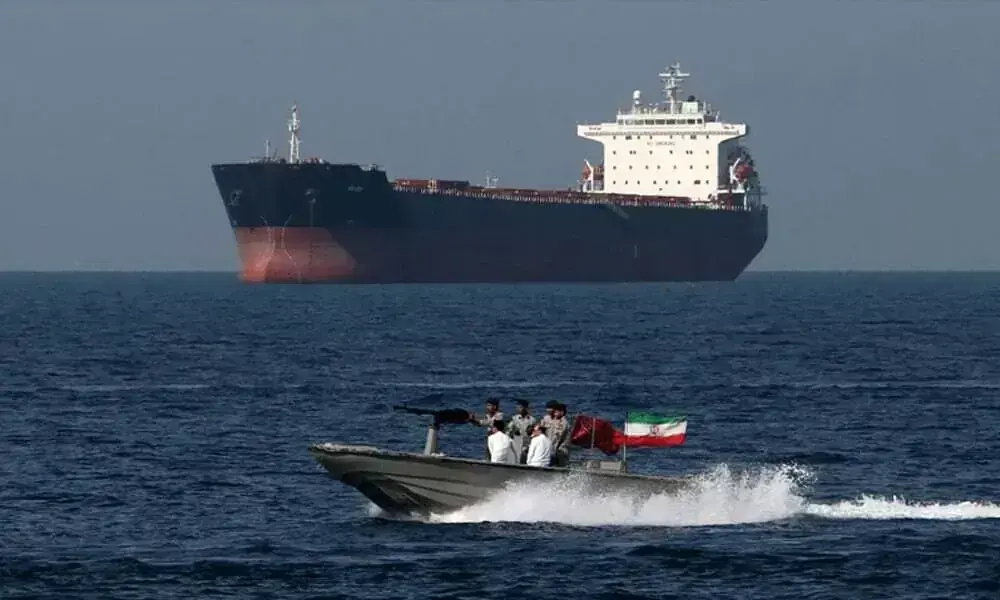

This is apropos a couple of letters to the Editor titled “The ME conflict” carried by the newspaper in recent days. The economic repercussions are equally severe. The disruption of the Strait of Hormuz—through which approximately 20% of global oil supply flows—has triggered a sharp spike in energy prices, with increases of up to 40% in some markets.
Oil prices exceeding $100 per barrel have strained global economies, particularly those heavily dependent on imports. Supply chains have been disrupted, inflationary pressures intensified, and growth trajectories derailed.
For many countries, the consequences are existential. Energy shortages are forcing governments to ration fuel, shut down industries, and curtail public services. Universities are closing, businesses are scaling back operations, and entire sectors are slowing to a crawl. The global economy—already fragile—is now facing a contraction driven by the very lifeblood of modern industry: energy.
The Gulf states themselves are among the hardest hit. Nations such as Saudi Arabia, the United Arab Emirates, Qatar, Kuwait, and Bahrain are grappling with a multifaceted crisis. Oil production facilities and refineries have been damaged or shut down. Airports and critical infrastructure have come under attack. Expatriate populations—the backbone of their economies—are fleeing in large numbers, creating labor shortages and economic instability.
Air traffic, once heavily routed through hubs like Dubai and Doha, is being diverted elsewhere, further eroding revenue streams. Tourism has collapsed, trade has slowed, and investor confidence has weakened. These economies, built on connectivity and stability, are now facing unprecedented disruption.
And yet, amid this widespread devastation, Israel appears remarkably insulated. Its casualty figures remain comparatively low, and its infrastructure has sustained minimal damage relative to the scale of destruction elsewhere. More importantly, Israel is advancing its strategic objectives with striking effectiveness.
Copyright Business Recorder, 2026
The writer is a former Press Secretary to the President, An ex-Press Minister at Embassy of Pakistan to France, a former MD, SRBC Macomb, Detroit, Michigan























Comments
Comments are closed for this article.